474Z-11-225A~7AT
Product Details
Comprehensive Professional Description: Haima S5 Connecting Rod Bearing (Part No. 474Z-11-225A~7AT)
1. Basic Overview & Core Functional Positioning
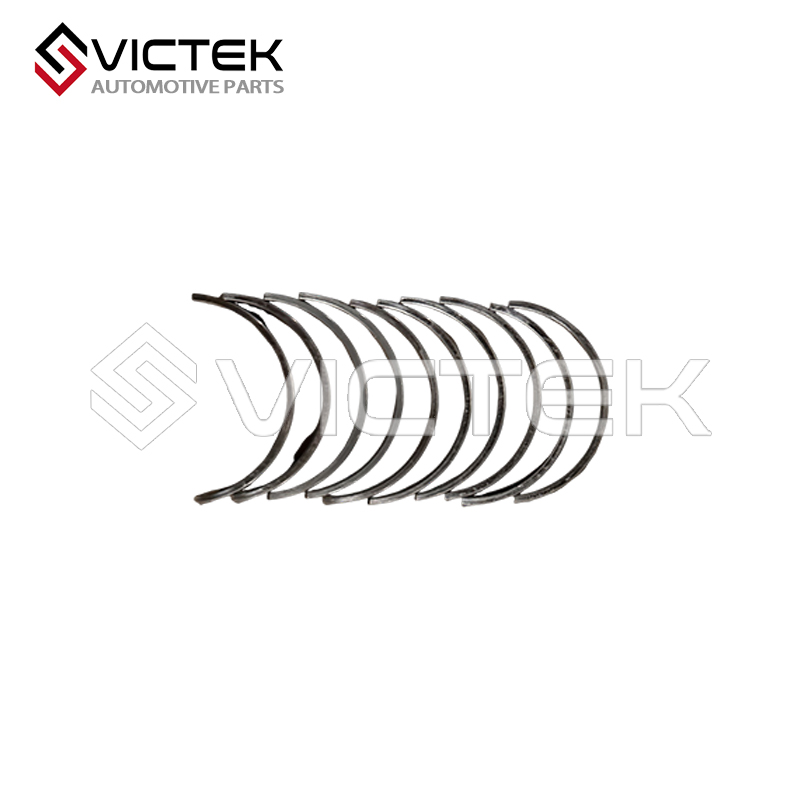
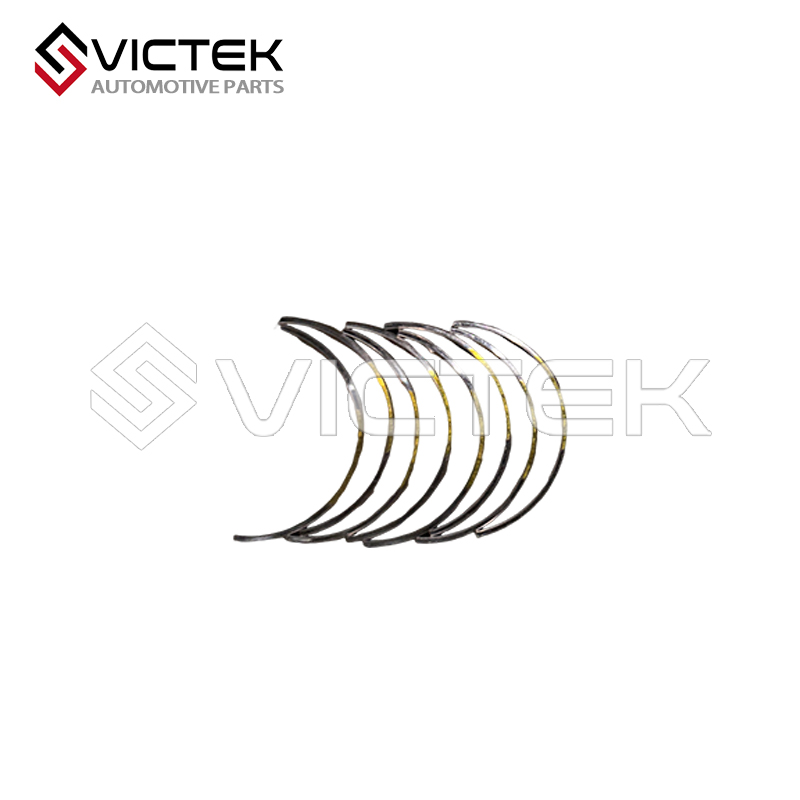
The 474Z-11-225A~7AT is an authentic Original Equipment Manufacturer (OEM) connecting rod bearing, exclusively engineered and produced by Haima Automobile Co., Ltd. for the Haima S5 compact SUV—specifically tailored to match the 474Z series engine, which serves as the core power unit of the Haima S5. As a critical friction-reducing and load-bearing component in the engine’s crankshaft-connecting rod assembly, the 474Z-11-225A~7AT connecting rod bearing plays an irreplaceable role in ensuring the smooth operation, structural stability, and long service life of the Haima S5’s engine. Unlike ordinary engine components, connecting rod bearings operate in an extreme environment—subjected to high temperatures, high pressure, continuous friction, and cyclic mechanical loads—making their quality and performance directly decisive for the engine’s reliability and safety.
The Haima S5, as a compact SUV focused on dynamic performance and daily practicality, relies heavily on the 474Z series engine’s stable output, and the 474Z-11-225A~7AT connecting rod bearing is a key guarantee for this stability. The connecting rod bearing is installed between the connecting rod big end and the crankshaft journal, acting as a core interface component that connects the reciprocating motion of the piston to the rotational motion of the crankshaft. Its primary functions include reducing friction between the connecting rod and crankshaft, supporting the crankshaft’s rotational load, absorbing and dispersing cyclic impact forces generated during engine operation, and maintaining the precise clearance required for the crankshaft-connecting rod assembly to operate smoothly. Without a high-quality connecting rod bearing, the engine would suffer from severe wear, abnormal noise, overheating, and even catastrophic failures such as crankshaft seizure or connecting rod breakage.
The part number 474Z-11-225A~7AT is a series designation, indicating that this connecting rod bearing is available in 7 different size grades (from 474Z-11-225A to 474Z-11-2257AT) to accommodate minor dimensional variations in the Haima S5’s 474Z engine crankshaft journals and connecting rod big ends. This series design ensures that every Haima S5 engine can be matched with a connecting rod bearing of precise size, guaranteeing optimal fitment and performance. As a genuine OEM component, the 474Z-11-225A~7AT series strictly complies with Haima’s original design standards, material specifications, and performance requirements, distinguishing it from inferior aftermarket alternatives that often lack precise size control, high-quality materials, and rigorous quality testing. A faulty or mismatched connecting rod bearing can lead to symptoms such as engine knocking, increased oil consumption, reduced power output, abnormal vibration, and even irreversible damage to the crankshaft and connecting rod—resulting in costly engine overhauls. Therefore, the genuine 474Z-11-225A~7AT connecting rod bearing is an essential replacement part for Haima S5 owners and professional automotive repair technicians who prioritize engine reliability and long-term performance.
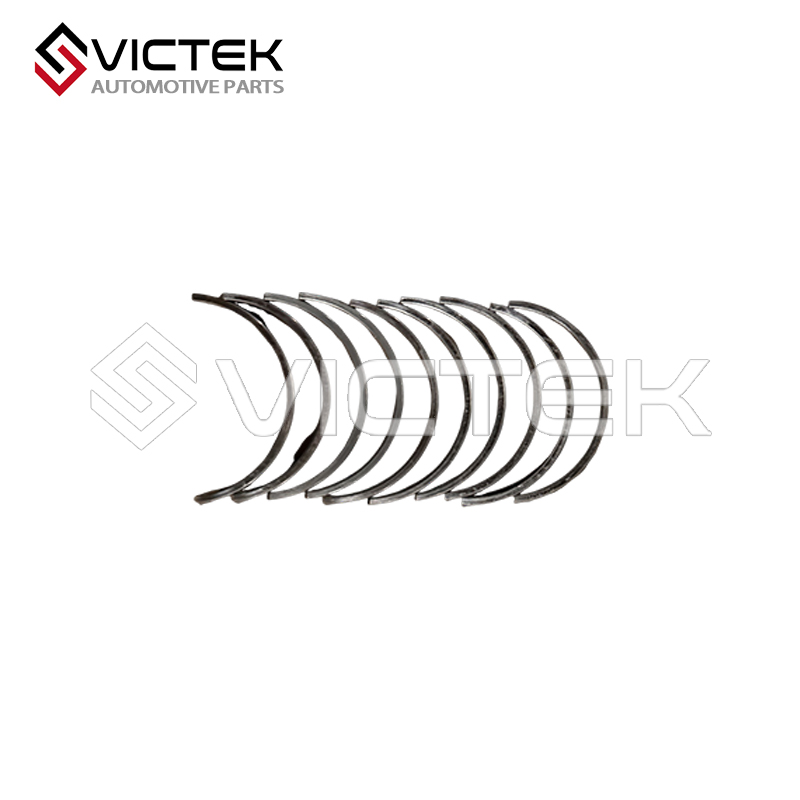
2. Premium Material Selection & Precision Manufacturing Process
The 474Z-11-225A~7AT Connecting Rod Bearing is crafted from high-performance, automotive-grade materials, carefully selected to withstand the extreme operating conditions of the Haima S5’s 474Z series engine. Haima’s engineering team prioritized materials that balance wear resistance, load-bearing capacity, friction reduction, and thermal conductivity—key performance indicators for connecting rod bearings. The material selection process undergoes rigorous testing and validation to ensure the bearing can withstand continuous operation at high temperatures (up to 150°C) and high pressures (up to 100 MPa), while maintaining stable performance over a long service life.
The 474Z-11-225A~7AT connecting rod bearing adopts a multi-layer composite structure, which is the industry standard for high-performance automotive connecting rod bearings. The base layer is made of high-strength low-carbon steel (ST12 or equivalent), which provides excellent structural rigidity and fatigue resistance, ensuring the bearing can withstand cyclic mechanical loads without deformation or fracture. The low-carbon steel base layer is precision rolled to ensure uniform thickness (typically 1.5–2.0 mm) and flatness, laying the foundation for the subsequent coating layers. The intermediate layer is a copper-lead alloy (CuPb24Sn) with a thickness of 0.3–0.5 mm, which serves as a transition layer between the base steel and the surface layer, enhancing adhesion and improving load-bearing capacity. The copper-lead alloy has excellent thermal conductivity, which helps dissipate the heat generated by friction between the bearing and crankshaft, preventing overheating and premature wear.
The surface layer of the 474Z-11-225A~7AT connecting rod bearing is a thin overlay of lead-tin-bismuth alloy (PbSn10Bi) with a thickness of 0.03–0.05 mm, which is applied using an advanced electroplating process. This surface layer is designed to reduce friction, improve wear resistance, and provide excellent anti-seizure properties—critical for preventing the bearing from seizing to the crankshaft during cold starts or oil starvation. The lead-tin-bismuth alloy has a low coefficient of friction (0.03–0.05), ensuring smooth operation even under high-load conditions. Additionally, the surface layer is treated with a micro-polishing process to achieve a surface roughness of Ra ≤ 0.2 μm, which further reduces friction and wear, and improves the formation and retention of the oil film between the bearing and crankshaft.
The manufacturing process of the 474Z-11-225A~7AT Connecting Rod Bearing follows a strict, ISO 9001 and IATF 16949 certified production workflow, consistent with Haima’s global quality standards and modern automotive bearing manufacturing practices. The production process begins with the precision rolling of the low-carbon steel base layer, which is controlled by advanced computer systems to ensure uniform thickness and flatness. The base layer is then cleaned and degreased to remove any surface contaminants, ensuring strong adhesion of the subsequent coating layers. The copper-lead alloy intermediate layer is applied using a sintering process, which involves heating the alloy to a high temperature (450–500°C) to bond it firmly to the base steel. This sintering process ensures the intermediate layer has uniform thickness and excellent adhesion, preventing delamination during operation.
After the intermediate layer is applied, the surface layer is deposited using an electroplating process, which is carefully controlled to ensure precise thickness and uniform distribution. The electroplating process uses a high-purity electrolyte solution and precise current control to achieve a smooth, uniform surface layer with no defects such as pores, cracks, or uneven thickness. After electroplating, the bearing undergoes a micro-polishing process to further improve surface finish and reduce friction. The final step in the manufacturing process is the precision stamping of the bearing’s oil grooves and oil holes, which are designed to ensure optimal lubrication of the bearing during operation. The oil grooves and oil holes are precisely positioned to allow engine oil to flow freely between the bearing and crankshaft, forming a stable oil film that reduces friction and dissipates heat.
The 474Z-11-225A~7AT series connecting rod bearings are subjected to a series of rigorous quality control tests before leaving the factory, ensuring they meet Haima’s strict performance standards. These tests include dimensional accuracy testing, surface roughness testing, adhesion testing, wear resistance testing, and load-bearing capacity testing. Dimensional accuracy testing verifies that the bearing’s inner diameter, outer diameter, thickness, and size grade are within the specified tolerance range (±0.003 mm), ensuring perfect fitment with the Haima S5’s 474Z engine crankshaft and connecting rod. Surface roughness testing ensures the surface layer meets the required Ra ≤ 0.2 μm, while adhesion testing verifies that the coating layers do not delaminate under mechanical stress. Wear resistance testing simulates long-term operation under high-load conditions, ensuring the bearing maintains stable performance with minimal wear. Load-bearing capacity testing verifies that the bearing can withstand the maximum cyclic load generated by the engine without deformation or failure. Only bearings that pass all these tests are allowed to leave the factory, ensuring the 474Z-11-225A~7AT series delivers reliable performance and long service life in the Haima S5.
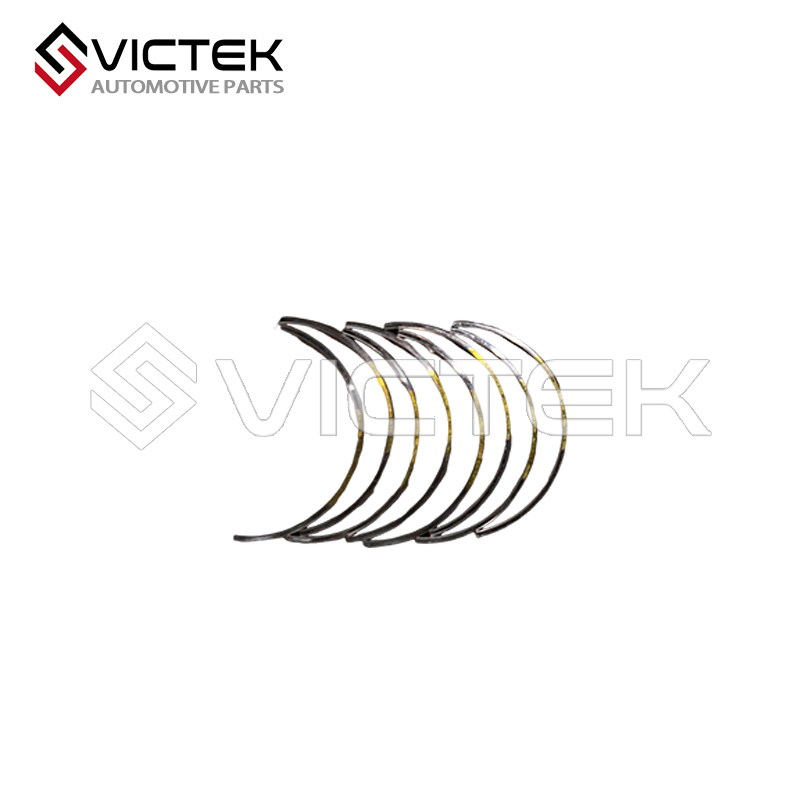
3. Structural Composition & Key Design Features
The 474Z-11-225A~7AT Connecting Rod Bearing features a precision-engineered structural design, tailored to the specific requirements of the Haima S5’s 474Z series engine. The bearing’s structural composition is optimized to provide superior friction reduction, load-bearing capacity, and lubrication performance, with key design features that address the unique challenges of connecting rod bearing operation in automotive engines. Unlike generic aftermarket bearings, which often have a simplistic design with poor fitment and inadequate performance, the 474Z-11-225A~7AT series incorporates multiple specialized features to ensure consistent performance, reliability, and durability.
One of the key design features of the 474Z-11-225A~7AT connecting rod bearing is its split-type design, which consists of two semi-circular bearing shells (upper and lower) that are assembled around the crankshaft journal. This split-type design allows for easy installation and replacement, as the bearing can be installed by separating the connecting rod big end, placing the bearing shells in the rod and cap, and then reassembling the connecting rod. The split interface of the bearing shells is precision-machined to ensure a tight fit, preventing oil leakage and ensuring uniform load distribution. Additionally, the split interface is chamfered to prevent sharp edges from damaging the crankshaft journal or connecting rod big end during installation.
Another critical design feature of the 474Z-11-225A~7AT series is its precision oil groove design. The inner surface of each bearing shell is equipped with a circumferential oil groove and axial oil holes, which are strategically positioned to ensure optimal lubrication. The circumferential oil groove runs along the entire inner circumference of the bearing, allowing engine oil to be evenly distributed across the bearing surface, forming a stable oil film that reduces friction and wear. The axial oil holes connect the circumferential oil groove to the connecting rod’s oil passage, ensuring a continuous supply of engine oil to the bearing. This oil groove design is critical for preventing oil starvation, which can lead to overheating, seizure, and premature bearing failure. The oil groove and oil holes are precision-machined to ensure smooth oil flow and minimal resistance, further enhancing lubrication performance.
The 474Z-11-225A~7AT connecting rod bearing also features a precision size grading system, which is reflected in the part number suffix (A~7AT). This size grading system is designed to accommodate minor dimensional variations in the Haima S5’s 474Z engine crankshaft journals and connecting rod big ends, which may occur during manufacturing. The size grades range from standard (A) to oversized (7AT), with each grade differing by a small increment (typically 0.025 mm) in inner diameter. This ensures that every engine can be matched with a bearing of exact size, guaranteeing optimal clearance between the bearing and crankshaft. The correct clearance (typically 0.02–0.05 mm) is critical for the formation of the oil film, as too small a clearance can restrict oil flow and cause overheating, while too large a clearance can lead to abnormal noise, vibration, and increased wear.
To enhance wear resistance and anti-seizure performance, the surface layer of the 474Z-11-225A~7AT connecting rod bearing is treated with a specialized anti-friction coating. This coating is applied to the inner surface of the bearing shell, further reducing the coefficient of friction and improving the bearing’s ability to withstand high temperatures and high loads. The anti-friction coating also helps to prevent the bearing from seizing to the crankshaft during cold starts, when engine oil viscosity is high and lubrication is limited. Additionally, the surface layer is designed to be self-lubricating in the event of temporary oil starvation, providing an extra layer of protection against premature failure.
The 474Z-11-225A~7AT connecting rod bearing is also designed with a chamfered inner edge, which helps to guide engine oil into the bearing and prevent damage to the crankshaft journal. The chamfered edge reduces stress concentration at the bearing’s inner diameter, preventing cracks and deformation under high-load conditions. Additionally, the bearing shells are designed with a slight eccentricity, which helps to improve the formation of the oil film and reduce friction during engine operation. This eccentricity ensures that the bearing maintains optimal contact with the crankshaft journal, even under varying loads and speeds.
Contact us

Leave your messages