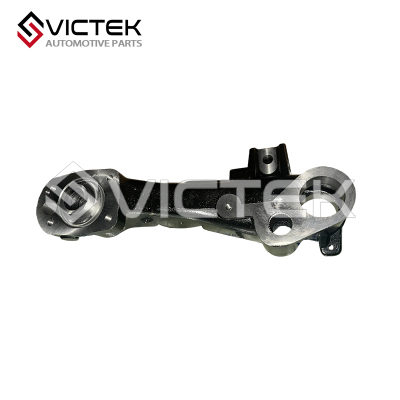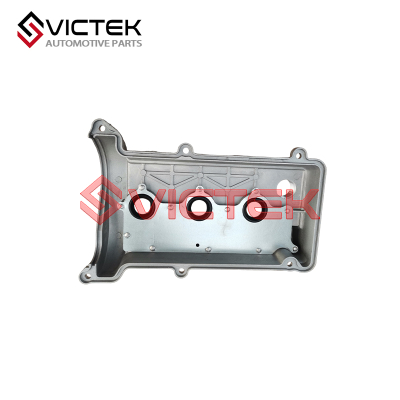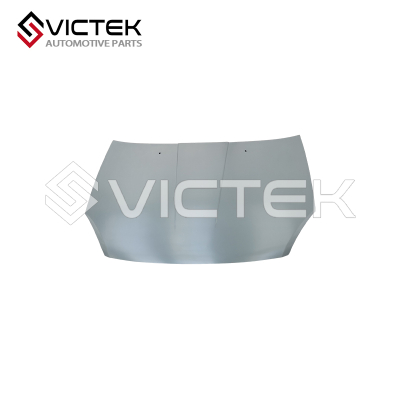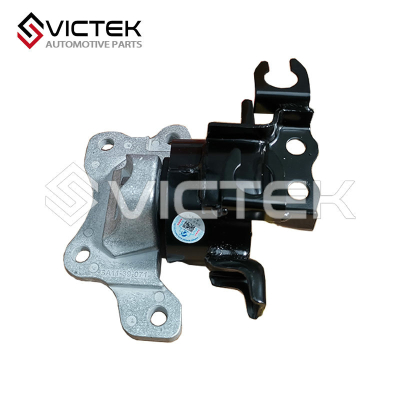
474Z-11-210T
Brand: Haima
Model: S5
Product Name:Conect Rod
Part Number: 474Z-11-210T
Product Details
Comprehensive Professional Description: Haima S5 Connecting Rod (Part No. 474Z-11-210T)
1. Basic Overview & Core Functional Positioning
The 474Z-11-210T is an authentic Original Equipment Manufacturer (OEM) connecting rod, meticulously engineered and exclusively produced for the Haima S5, a compact SUV renowned for its dynamic performance, fuel efficiency, and versatile driving experience under the Haima Automobile brand. As a critical core component of the vehicle’s engine crankshaft-connecting rod mechanism, the connecting rod serves as the vital link between the piston and the crankshaft, playing an irreplaceable role in converting the linear reciprocating motion of the piston (generated by the combustion of fuel in the cylinder) into the rotational motion of the crankshaft. This conversion is the fundamental driving force that powers the vehicle, directly determining the engine’s power output, torque performance, and operational stability. The part number 474Z-11-210T acts as a unique identifier, guaranteeing strict compliance with Haima’s original engineering specifications, material standards, and performance requirements, making it the only authorized replacement for the connecting rod of all Haima S5 production years and engine variants, including the advanced HMA GN15-TF 1.5T turbocharged engine and the 1.6L naturally aspirated engine utilized in the model.
For Haima S5 owners and professional automotive repair technicians, the reliability and precision of the 474Z-11-210T connecting rod are non-negotiable. The engine’s crankshaft-connecting rod mechanism operates under extremely harsh conditions: it endures high temperatures (up to 300°C in the combustion chamber area), high-pressure loads (up to tens of megapascals during the power stroke), and high-frequency reciprocating motion (up to thousands of cycles per minute). A faulty or worn connecting rod can lead to catastrophic engine malfunctions, including piston seizure, crankshaft bending, cylinder wall scuffing, excessive engine noise, reduced power output, and even complete engine failure. As a genuine OEM component, the 474Z-11-210T is manufactured in strict accordance with Haima’s rigorous quality control standards, international automotive component regulations (including ISO 9001 and IATF 16949), and the precise technical parameters of the Haima S5’s engine. This ensures consistent performance, perfect fitment, and long-term reliability, making it the preferred choice for maintaining the Haima S5’s engine in factory-grade condition and preserving the vehicle’s signature dynamic performance that contributes to its past market success.
Unlike generic aftermarket connecting rods, the 474Z-11-210T is tailor-made for the Haima S5’s specific engine configuration, including piston pin diameter, crankshaft journal size, and mounting dimensions. This customization eliminates compatibility issues, ensuring seamless integration with the vehicle’s existing engine components—pistons, piston pins, crankshaft, and bearings. Whether replacing a worn connecting rod due to normal wear and tear, or a damaged one due to improper maintenance, engine overheating, or mechanical impact, the 474Z-11-210T can restore the Haima S5’s engine crankshaft-connecting rod mechanism to its original performance, ensuring optimal engine operation and extending the engine’s service life. It is a critical component that directly impacts the vehicle’s overall reliability, driving experience, and ability to deliver the dynamic performance that the Haima S5 is known for.
2. Premium Material Selection & Precision Manufacturing Process
The 474Z-11-210T connecting rod is crafted from high-performance, automotive-grade materials, selected specifically to meet the strict requirements of a critical engine component—prioritizing high tensile strength, fatigue resistance, wear resistance, and dimensional stability. The material selection is optimized to balance performance, durability, and cost-effectiveness, ensuring the connecting rod can withstand the harsh operating environment of the engine (including extreme temperature fluctuations, constant mechanical stress, and exposure to engine oil and combustion by-products) while delivering consistent, long-term reliability.
The core material of the 474Z-11-210T connecting rod is high-quality forged steel (Grade 40Cr), a material widely recognized in the automotive industry for its exceptional combination of high tensile strength, excellent fatigue resistance, and good machinability. Forged steel 40Cr undergoes a precision forging process, which refines the material’s microstructure, eliminating internal defects such as pores and inclusions, and enhancing its overall mechanical properties. This makes the connecting rod capable of withstanding the high-pressure loads and repeated mechanical impacts during engine operation without deformation or fracture. Additionally, 40Cr steel has excellent wear resistance and corrosion resistance, ensuring the connecting rod maintains its structural integrity and dimensional accuracy even after prolonged exposure to engine oil, fuel, and combustion gases.
To further enhance the performance and durability of the 474Z-11-210T, the connecting rod undergoes a series of specialized surface treatments and heat treatments. First, the entire connecting rod undergoes a quenching and tempering heat treatment process, which optimizes the material’s hardness, strength, and toughness. The quenching process increases the material’s hardness (up to HRC 35-40), while the tempering process reduces brittleness and improves toughness, ensuring the connecting rod can absorb impact energy without breaking. The connecting rod’s big end and small end bearing surfaces are precision ground and coated with a wear-resistant phosphating layer, which reduces friction between the connecting rod and the bearings, minimizing wear and ensuring smooth operation. The external surface of the connecting rod is treated with anti-corrosion paint, which prevents rust and oxidation, extending the component’s service life.
The manufacturing process of the 474Z-11-210T connecting rod follows a strict, ISO 9001 and IATF 16949 certified production workflow, combining precision forging, automated machining, and rigorous quality control—consistent with modern automotive engine component manufacturing standards. The production process begins with the preparation of raw materials: high-purity 40Cr steel billets are selected and inspected to ensure they meet Haima’s material standards. The billets are then heated to a high temperature (around 1100-1200°C) and forged using a precision closed-die forging process, which shapes the billet into the basic form of the connecting rod. This forging process ensures the connecting rod’s structural integrity and uniform material distribution, critical for its mechanical performance.
After forging, the connecting rod undergoes a heat treatment process (quenching and tempering) to optimize its mechanical properties. Following heat treatment, the connecting rod undergoes a series of precision machining steps. The big end and small end holes are precision bored and honed to achieve a strict dimensional tolerance (±0.003 mm) and surface roughness (Ra 0.2-0.4 μm), which is critical for proper fitment with the crankshaft journal and piston pin. The connecting rod’s rod body is precision milled to ensure uniform thickness and flatness, reducing weight imbalance and ensuring smooth operation during engine operation. The bolt holes on the big end are drilled and tapped with automated equipment, ensuring precise alignment and dimensional accuracy—critical for proper assembly and torque application.
After machining, each 474Z-11-210T connecting rod undergoes a series of rigorous quality inspections, including dimensional accuracy testing, hardness testing, fatigue testing, balance testing, and visual inspection. Dimensional accuracy testing verifies that the connecting rod’s overall dimensions, big end and small end hole diameters, bolt hole spacing, and other key parameters match Haima’s OEM specifications. Hardness testing confirms that the material’s hardness meets the required standard (HRC 35-40), ensuring wear resistance and structural strength. Fatigue testing subjects the connecting rod to repeated mechanical loads simulating engine operation, ensuring it can withstand long-term use without fatigue failure. Balance testing ensures that the connecting rod’s weight is evenly distributed, reducing vibration during engine operation. Only units that pass all inspections are packaged and delivered, guaranteeing that each 474Z-11-210T connecting rod meets Haima’s OEM standards and provides reliable performance. Additionally, the connecting rod comes with a 12-month quality guarantee, reflecting the manufacturer’s confidence in its durability and reliability.
3. Structural Design & Key Integrated Components
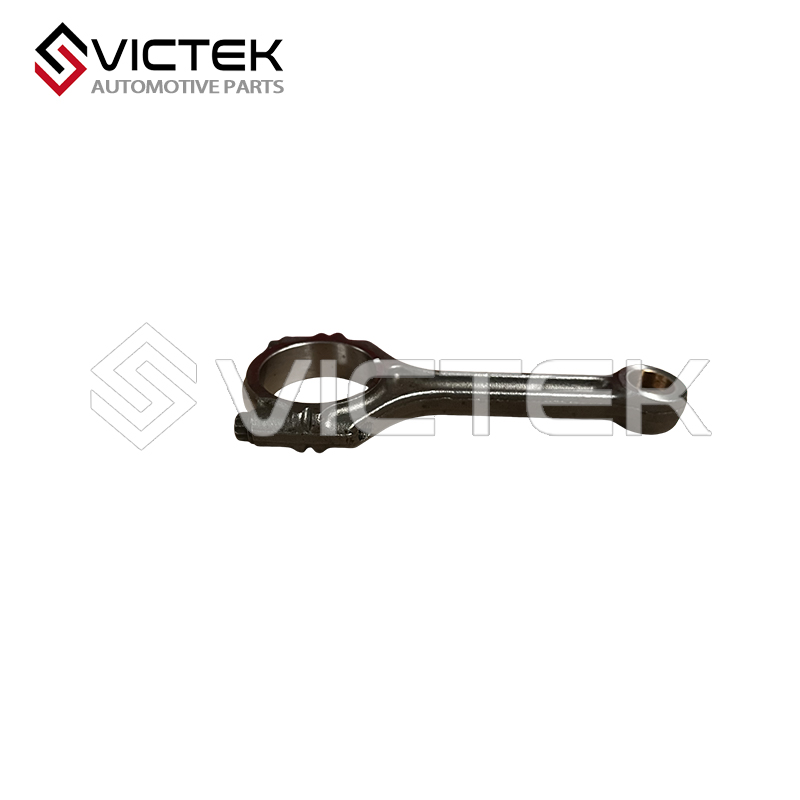
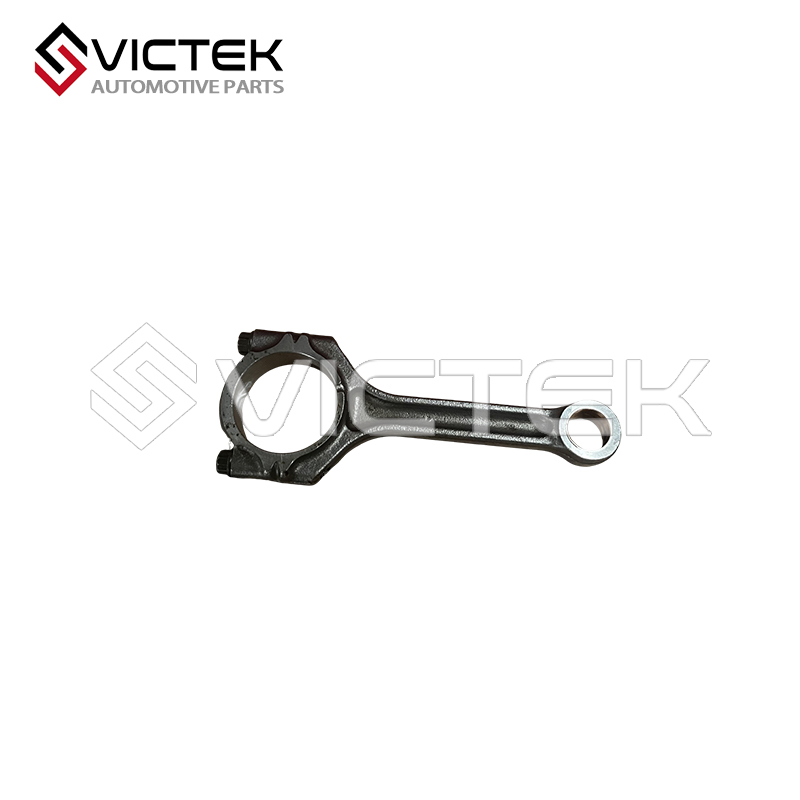
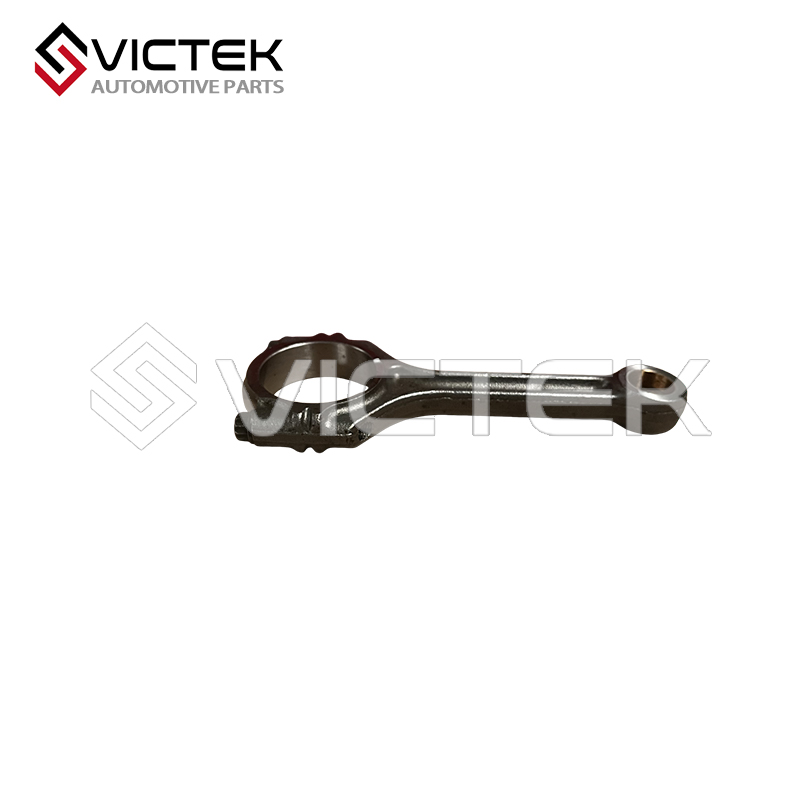
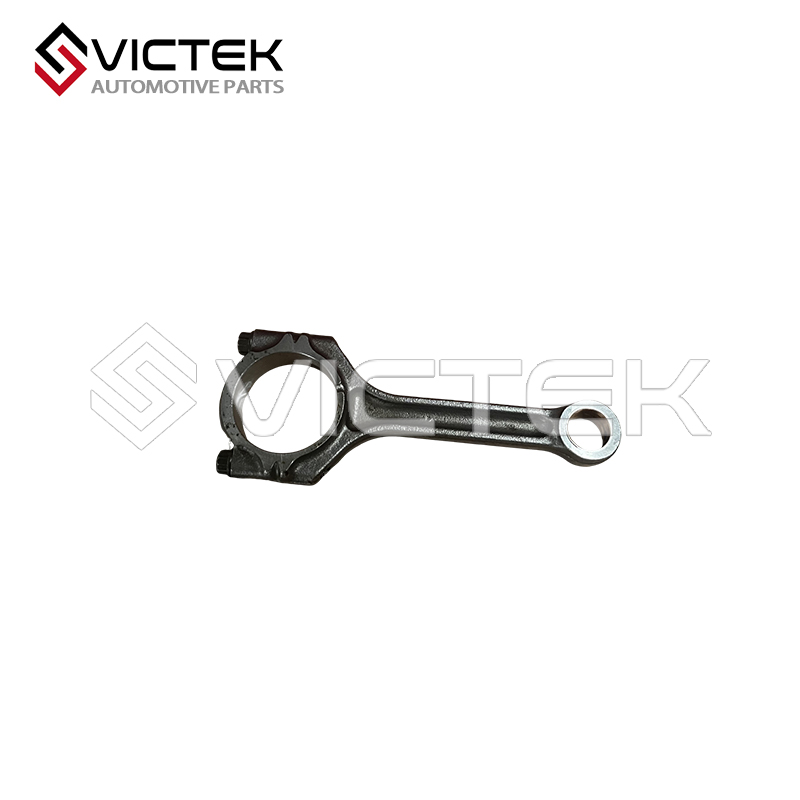
The 474Z-11-210T connecting rod features a sophisticated, integrated structural design, meticulously engineered to match the Haima S5’s engine crankshaft-connecting rod system, ensuring seamless integration, secure attachment, and optimal performance. Its design is optimized to balance functionality, durability, and weight reduction, while adhering to Haima’s original engineering standards and international safety regulations. The overall structure of the connecting rod consists of a rod body, big end, small end, connecting rod bolts, and bearing seats—all working together to ensure efficient force transmission, smooth operation, and reliable performance.
The rod body of the 474Z-11-210T connecting rod is a streamlined, I-beam design, which is widely recognized as the optimal design for connecting rods due to its excellent strength-to-weight ratio. The I-beam design enhances the rod body’s structural rigidity and fatigue resistance while minimizing weight, reducing the inertial force generated during high-frequency reciprocating motion. This not only improves the engine’s responsiveness but also reduces wear on the crankshaft and piston components. The rod body is also designed with a smooth external surface, which reduces friction with engine oil and facilitates heat dissipation, ensuring the connecting rod remains within a safe operating temperature range.
The small end of the connecting rod is a cylindrical structure, designed to connect to the piston pin. The small end hole is precision honed and coated with a wear-resistant phosphating layer, ensuring a tight, smooth fit with the piston pin. The small end is also equipped with a bushing (made of high-performance bronze), which further reduces friction between the small end and the piston pin, minimizing wear and ensuring smooth movement. The bushing is press-fitted into the small end hole, ensuring secure attachment and preventing displacement during engine operation.
The big end of the connecting rod is a split-type structure, designed to connect to the crankshaft journal. The split design allows the connecting rod to be easily installed and removed from the crankshaft, facilitating maintenance and replacement. The big end is divided into two parts: the rod cap and the rod body, which are secured together using high-strength connecting rod bolts. The big end hole is precision honed and coated with a wear-resistant phosphating layer, ensuring a tight, smooth fit with the crankshaft journal. The big end is also equipped with a bearing shell (made of high-performance alloy steel), which reduces friction between the big end and the crankshaft journal, minimizing wear and ensuring smooth operation. The bearing shell is designed with a groove for engine oil, which provides lubrication and heat dissipation, further extending the service life of the connecting rod and crankshaft.
The connecting rod bolts are critical components of the 474Z-11-210T connecting rod, designed to secure the rod cap to the rod body. The bolts are made of high-strength alloy steel (Grade 10.9), which offers exceptional tensile strength and fatigue resistance, ensuring they can withstand the high clamping force required to keep the big end securely attached to the crankshaft journal. The bolts are precision machined and heat-treated to optimize their mechanical properties, and they feature a torque-specific design, ensuring proper torque application during assembly. The bolts are also equipped with lock washers, which prevent loosening during engine operation, ensuring the big end remains securely fastened.
Another key design feature of the 474Z-11-210T connecting rod is its weight optimization. The use of forged steel 40Cr and the I-beam rod body design reduce the connecting rod’s weight, which in turn reduces the engine’s overall weight and improves fuel efficiency. The lightweight design also reduces the inertial force generated during engine operation, minimizing wear on the crankshaft, piston, and other engine components, and improving the engine’s responsiveness. Additionally, the connecting rod’s compact design ensures it fits perfectly within the Haima S5’s engine compartment, leaving sufficient space for other engine components and facilitating easy installation and maintenance.
Contact us

Leave your messages