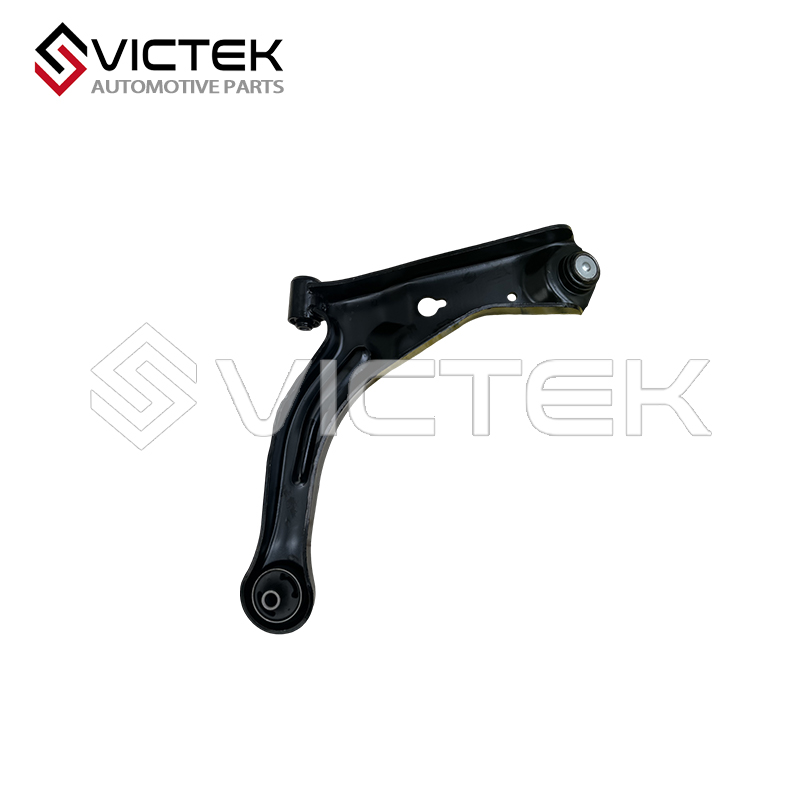
SA00-34-350M1-B
Product Details
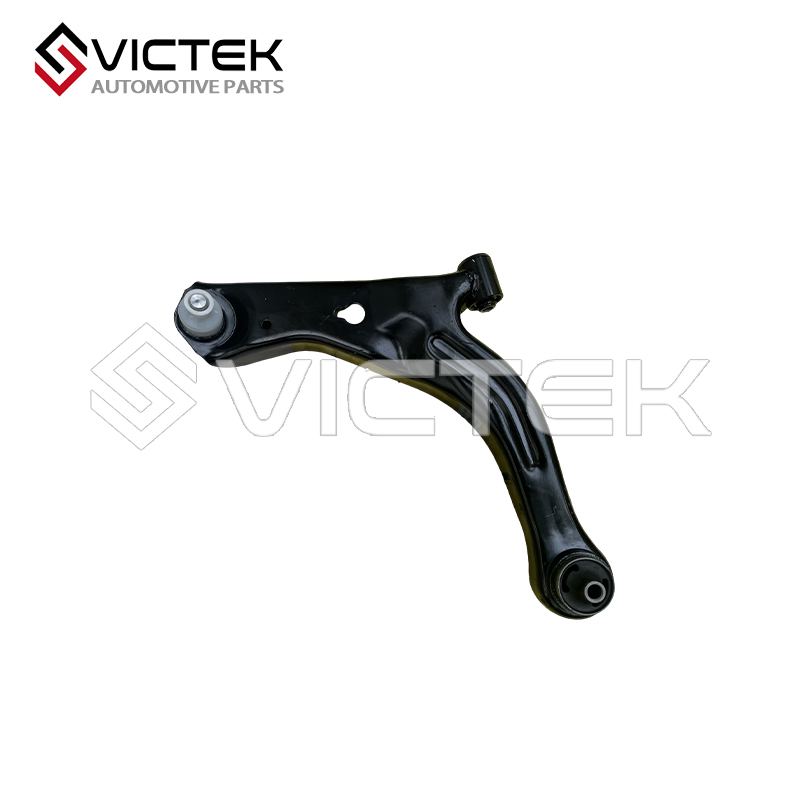
Comprehensive Professional Description: Haima S7 Control Arm (Part No. SA00-34-350M1-B)
1. Basic Overview & Core Functional Positioning
The SA00-34-350M1-B is an authentic Original Equipment Manufacturer (OEM) control arm, specifically engineered and produced exclusively for the Haima S7, a mid-size compact SUV under the Haima Automobile brand. Renowned for its ruggedness, off-road adaptability, and daily practicality, the Haima S7 caters to drivers seeking a versatile vehicle that excels both on urban roads and light off-road terrains. As a critical core component of the Haima S7’s front suspension system, the control arm (also known as the lower wishbone or A-arm) serves as a vital connection between the vehicle’s wheel hub assembly and the frame/subframe, playing an irreplaceable role in maintaining wheel alignment, absorbing road impacts, and ensuring stable handling and ride comfort. The unique part number SA00-34-350M1-B serves as a definitive identifier, guaranteeing strict compliance with Haima’s original engineering specifications, material standards, and performance requirements, making it the only authorized replacement part for the front lower control arm of all Haima S7 production years (2013-2018) and all trim levels, as confirmed by Haima’s official OEM fitment data and global supply chain records.
The Haima S7 is equipped with a robust MacPherson strut front suspension system, which is optimized for the SUV’s higher ground clearance and heavier weight compared to compact sedans. The SA00-34-350M1-B Control Arm is mounted horizontally at the front of the vehicle, connecting the wheel hub (via the ball joint) to the vehicle’s subframe. Its primary function is to transmit vertical and lateral forces between the wheel and the frame, while allowing the suspension to move freely during travel—accommodating road irregularities such as potholes, gravel, and uneven terrain. Operating in a harsh, high-stress environment, the control arm must withstand constant mechanical loads, repeated impacts, vibration, and exposure to extreme temperatures, road salt, mud, and other corrosive substances. A worn, bent, or damaged control arm can lead to a range of severe issues, including poor steering precision, uneven tire wear, excessive road noise, vibration in the steering wheel and cabin, compromised suspension travel, and even loss of control during emergency maneuvers or off-road driving.
As a genuine OEM component, the SA00-34-350M1-B Control Arm is manufactured in strict accordance with Haima’s rigorous quality control standards, international automotive component regulations (including ISO 9001 and IATF 16949), and the precise technical parameters of the Haima S7’s suspension system. This ensures consistent performance, perfect fitment, and long-term durability, making it the preferred choice for maintaining the S7’s original suspension performance and driving safety. Unlike generic aftermarket control arms, the SA00-34-350M1-B is specifically designed to match the S7’s suspension geometry, wheel hub dimensions, and mounting points, eliminating compatibility issues and ensuring seamless integration with the vehicle’s existing suspension components—including the ball joint, sway bar link, and brake caliper. Whether replacing a worn control arm due to normal wear and tear, off-road impact, or improper maintenance, the SA00-34-350M1-B can fully restore the Haima S7’s suspension performance, ensuring stable handling, smooth ride, and optimal safety in all driving conditions.
2. Premium Material Selection & Precision Manufacturing Process
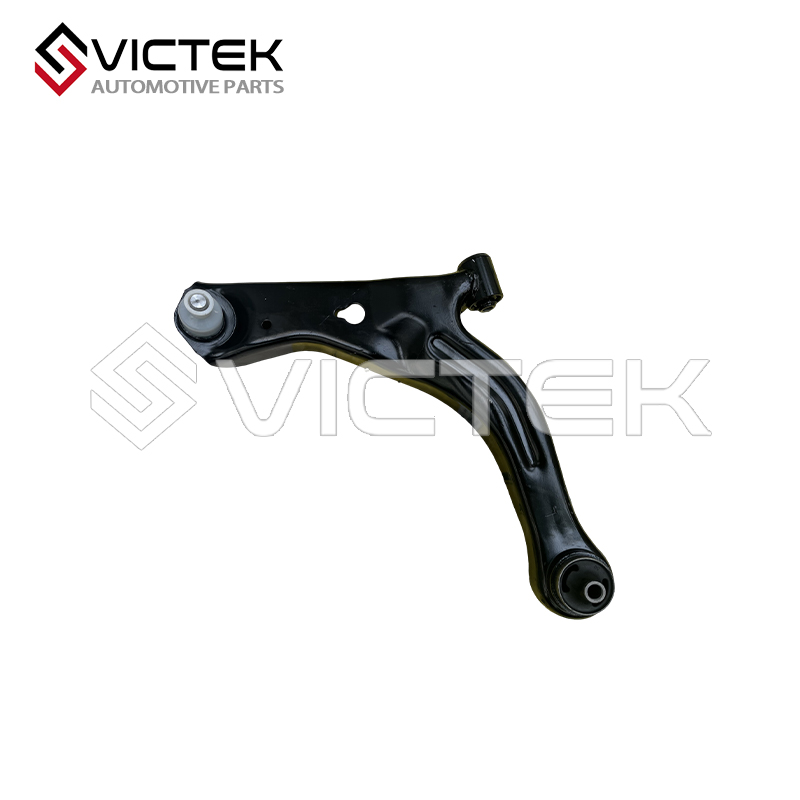
The SA00-34-350M1-B Control Arm is crafted from high-performance, automotive-grade materials, carefully selected to meet the strict requirements of a suspension component that operates in the harsh environment of an SUV—prioritizing exceptional structural strength, impact resistance, corrosion resistance, and fatigue durability. The material selection is optimized to balance rigidity, flexibility, and weight, ensuring the control arm can withstand the higher loads and impacts associated with SUV driving (including light off-roading), while maintaining optimal fuel efficiency and ride comfort.
The main body of the SA00-34-350M1-B Control Arm is constructed from high-strength stamped steel (SPHC grade), a material widely used in automotive suspension components for its excellent tensile strength, bending resistance, and weldability. SPHC steel is chosen for its ability to withstand high mechanical loads and repeated impacts without bending or cracking, making it ideal for the Haima S7’s suspension system, which is subjected to greater stress than sedans. The steel is subjected to a rigorous heat treatment process (quenching and tempering) to enhance its hardness and fatigue strength, ensuring it can withstand long-term use without deformation or failure. Additionally, the entire control arm is coated with a high-quality electrophoretic coating (E-coat) followed by a powder coating, forming a double protective layer that effectively prevents rust and corrosion—critical for vehicles frequently exposed to mud, road salt, and coastal humidity.
Key components integrated into the SA00-34-350M1-B Control Arm also use premium materials to ensure optimal performance. The ball joint (a critical sub-component) features a high-strength alloy steel stud and a durable polyurethane or EPDM rubber boot, which protects the internal lubrication and prevents contamination from dirt, water, and debris. The ball joint’s bearing is made of hardened steel with a polished surface, reducing friction and ensuring smooth rotation, which is essential for precise steering and suspension movement. The mounting bushings (integrated into the control arm’s inboard ends) are made of high-quality EPDM rubber with inner carbon steel sleeves, providing flexibility and vibration absorption while maintaining structural stability.
The manufacturing process of the SA00-34-350M1-B Control Arm follows a strict, ISO 9001 and IATF 16949 certified production workflow, combining precision stamping, robotic welding, heat treatment, surface coating, and rigorous quality control—consistent with modern automotive suspension component manufacturing standards. The production process begins with the preparation of raw materials: the SPHC steel sheets are cut to precise dimensions using automated laser cutting machines, ensuring consistent thickness and shape. The cut steel sheets are then formed into the control arm’s shape using precision stamping presses, which apply high pressure to create the complex contours required for the S7’s suspension geometry.
Next, the stamped components are assembled and welded using robotic welding technology, which ensures consistent weld quality, strength, and precision—eliminating human error and ensuring each control arm meets Haima’s strict structural standards. The welded control arm is then subjected to heat treatment (quenching at 850-900°C and tempering at 200-300°C) to enhance its mechanical properties, making it more resistant to bending and fatigue. After heat treatment, the control arm undergoes a thorough surface treatment process: it is first cleaned to remove oil, rust, and debris, then coated with an electrophoretic primer (E-coat) to provide a corrosion-resistant base, followed by a powder coating to add an additional protective layer and improve aesthetic appearance. The final step involves the assembly of the ball joint and mounting bushings, which are press-fitted into the control arm using precision tools to ensure a tight, secure fit.
Before packaging and delivery, each SA00-34-350M1-B Control Arm undergoes a series of rigorous quality inspections, including dimensional accuracy testing, structural strength testing, weld quality testing, corrosion resistance testing, and ball joint performance testing. Dimensional accuracy testing verifies that all dimensions (length, width, mounting hole positions) match Haima’s original specifications, ensuring perfect fitment. Structural strength testing involves applying simulated loads to the control arm to ensure it can withstand the maximum forces encountered during driving. Weld quality testing uses non-destructive testing methods (such as ultrasonic testing) to detect any hidden weld defects. Corrosion resistance testing involves exposing the control arm to salt spray for 1000+ hours to verify the durability of the coating. Only units that pass all inspections are packaged and delivered, guaranteeing that each SA00-34-350M1-B meets Haima’s strict quality standards and provides reliable performance. Additionally, the control arm comes with a 12-month quality guarantee, reflecting the manufacturer’s confidence in its durability and performance.
3. Structural Design & Key Integrated Components
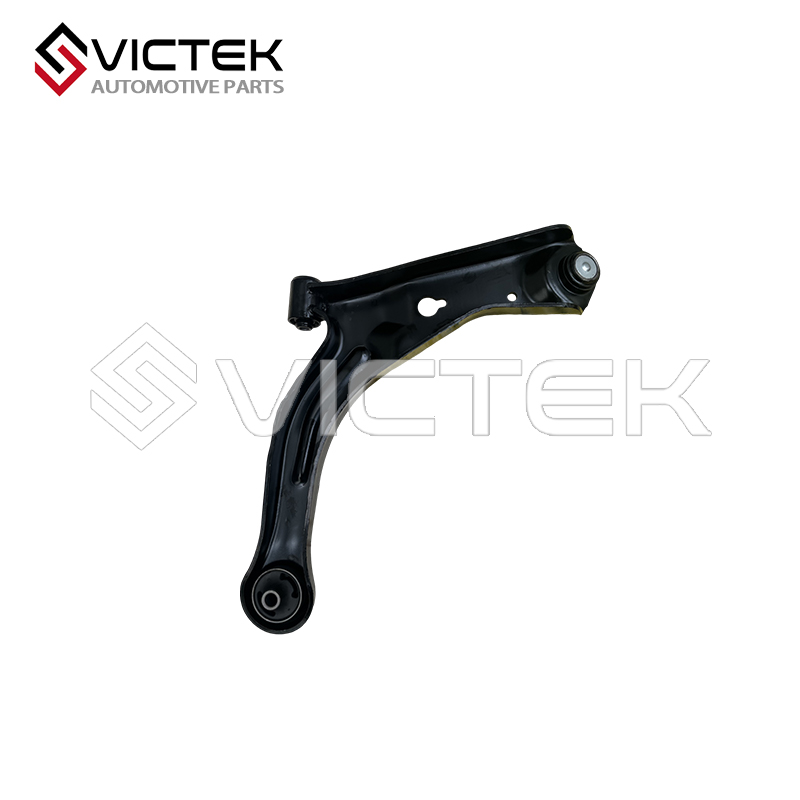
The SA00-34-350M1-B Control Arm features a sophisticated, ergonomic structural design, meticulously engineered to match the Haima S7’s front suspension system, ensuring seamless integration, secure attachment, and optimal performance. Its design is optimized to balance structural strength, weight, and flexibility, while adhering to Haima’s original engineering standards and international safety regulations. The overall structure of the control arm consists of four key integrated components: the main steel body, the ball joint assembly, the mounting bushings, and the sway bar link attachment point—all working together to ensure maximum performance, durability, and compatibility with the S7’s suspension system.
The main steel body of the SA00-34-350M1-B Control Arm features a curved, aerodynamic design, which is optimized to distribute mechanical loads evenly across the entire structure, reducing stress concentrations and preventing premature failure. The body is thickened at key stress points (such as the ball joint mounting area and the subframe mounting points) to enhance structural strength, while the rest of the body is designed to be lightweight to improve fuel efficiency. The main body also features precision-drilled mounting holes at both ends: the outboard end is designed to attach to the ball joint, while the inboard ends are fitted with mounting bushings that connect to the vehicle’s subframe. The mounting holes are threaded or sized to match the Haima S7’s OEM mounting bolts, ensuring a tight, secure fit that prevents looseness or vibration.
The ball joint assembly is a critical integrated component of the SA00-34-350M1-B Control Arm, serving as the flexible connection between the control arm and the wheel hub. It consists of a steel stud, a bearing, a rubber boot, and a retaining clip. The steel stud is threaded at one end to attach to the wheel hub, while the other end is fitted with a bearing that allows for smooth rotation and movement—enabling the wheel to turn and the suspension to travel up and down. The rubber boot is sealed around the ball joint to protect the internal bearing and lubrication from dirt, water, and debris, which can cause premature wear and failure. The retaining clip ensures the ball joint is securely fastened to the control arm, preventing detachment during driving.
The mounting bushings are integrated into the inboard ends of the control arm, serving as flexible connections between the control arm and the vehicle’s subframe. Each bushing consists of an inner carbon steel sleeve, an outer EPDM rubber body, and an optional outer steel shell. The inner sleeve is precision-drilled to match the subframe’s mounting bolts, ensuring a tight fit. The EPDM rubber body provides flexibility and vibration absorption, reducing the transfer of road noise and vibration to the cabin, while maintaining sufficient rigidity to restrict excessive movement. The optional outer steel shell provides additional support and protection for the rubber body, preventing bulging or deformation under high loads. The bushings are press-fitted into the control arm’s inboard ends, ensuring a secure attachment that withstands constant mechanical stress.
Another key design feature of the SA00-34-350M1-B Control Arm is the sway bar link attachment point, which is integrated into the main body. The sway bar (also known as the stabilizer bar) is a critical component that reduces body roll during cornering, improving vehicle stability. The attachment point is a reinforced bracket on the control arm, designed to connect to the sway bar link via a bolt or ball joint. The bracket is thickened and welded to the main body to ensure it can withstand the lateral forces exerted by the sway bar during cornering. Additionally, the control arm’s design is optimized to maintain the correct camber, caster, and toe angles of the front wheels, ensuring stable handling, even tire wear, and precise steering. The control arm’s length and geometry are precisely calibrated to match the Haima S7’s suspension system, ensuring that the wheel remains properly aligned during suspension travel.
Contact us
Leave your messages