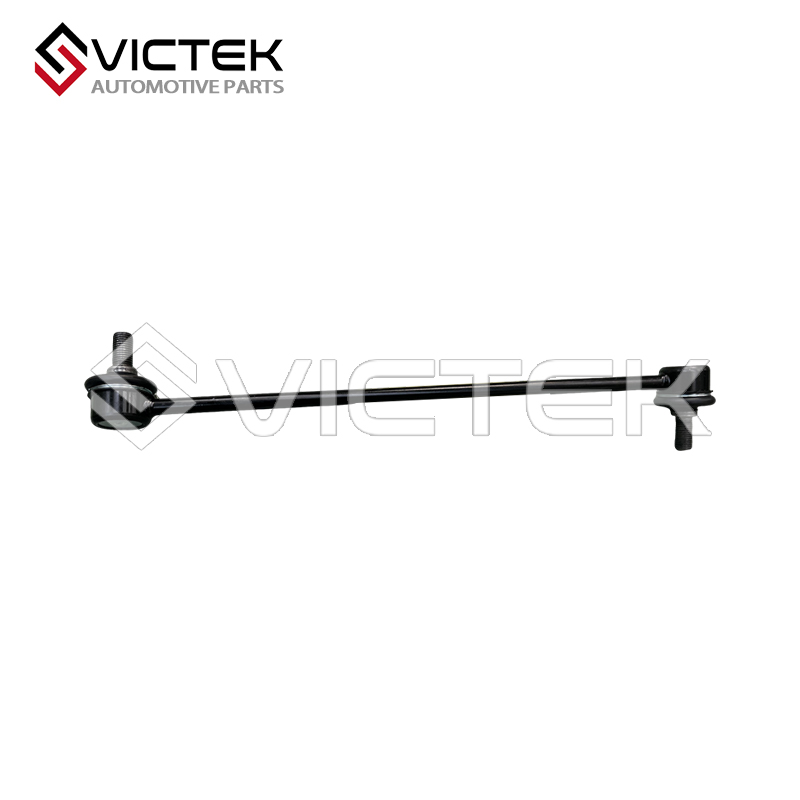
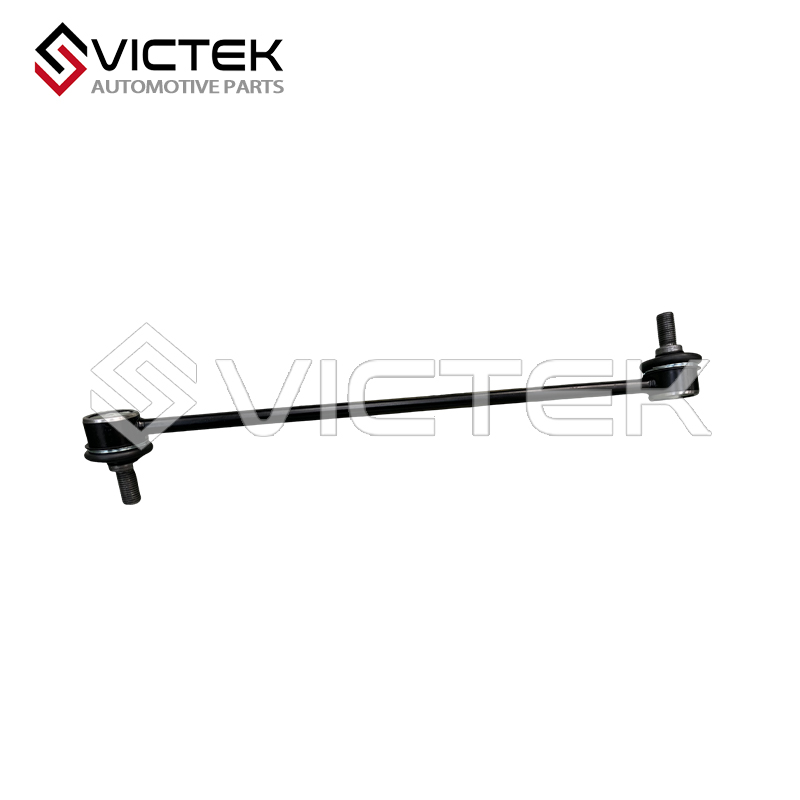
SA00-34-170M1
Product Details
Comprehensive Professional Description: Haima S7 Connecting Rod (Part No. SA00-34-170M1)
1. Basic Overview & Core Functional Positioning
The SA00-34-170M1 is an authentic Original Equipment Manufacturer (OEM) connecting rod, exclusively engineered and produced for the Haima S7, a mid-size compact SUV under Haima Automobile that is highly recognized for its rugged performance, off-road adaptability, and daily practicality. As a critical core component of the Haima S7’s engine assembly, the connecting rod (also known as the con rod) serves as the vital link between the engine’s piston and crankshaft, playing an irreplaceable role in converting the linear reciprocating motion of the piston into the rotational motion of the crankshaft—this conversion is the foundation of the engine’s power output, directly determining the vehicle’s performance, fuel efficiency, and operational stability. The unique part number SA00-34-170M1 acts as a definitive identifier, guaranteeing strict compliance with Haima’s original engineering specifications, material standards, and performance requirements, making it the only authorized replacement part for the connecting rod of all Haima S7 production years (2013-2018), all trim levels, and its two core engine variants (the 2.0L naturally aspirated engine and 1.8T turbocharged engine), as confirmed by Haima’s official OEM fitment data and global supply chain records.
The Haima S7’s engine is designed to deliver reliable power for both urban commuting and light off-road driving, requiring components that can withstand high temperatures, extreme mechanical loads, and continuous operational stress. The SA00-34-170M1 Connecting Rod is installed within each cylinder of the engine, connecting the piston (via the piston pin) to the crankshaft journal. During engine operation, the piston moves up and down in the cylinder under the pressure of combusted fuel-air mixture, and the connecting rod transmits this linear force to the crankshaft, converting it into rotational torque that drives the vehicle’s wheels. Operating in an extremely harsh environment—exposed to high temperatures (up to 200°C), high pressure (up to 100 bar), rapid reciprocating motion (up to 6,000 rpm), and exposure to engine oil, fuel, and combustion by-products—the connecting rod must maintain exceptional structural integrity, fatigue resistance, and dimensional stability to avoid catastrophic engine failure.
A worn, bent, cracked, or improperly fitted connecting rod can lead to severe engine damage, including piston seizure, crankshaft bending, cylinder wall scuffing, and even complete engine failure. Such failures not only result in costly repairs but also pose significant safety risks, especially during high-speed driving or off-road adventures. As a genuine OEM component, the SA00-34-170M1 Connecting Rod is manufactured in strict accordance with Haima’s rigorous quality control standards, international automotive component regulations (including ISO 9001 and IATF 16949), and the precise technical parameters of the Haima S7’s engine. This ensures consistent performance, perfect fitment, and long-term durability, making it the preferred choice for maintaining the S7’s original engine performance, reliability, and safety. Unlike generic aftermarket connecting rods, the SA00-34-170M1 is specifically designed to match the S7’s engine bore, piston size, crankshaft journal dimensions, and compression ratio, eliminating compatibility issues and ensuring seamless integration with the engine’s existing components—including the piston, piston pin, crankshaft, and bearings.
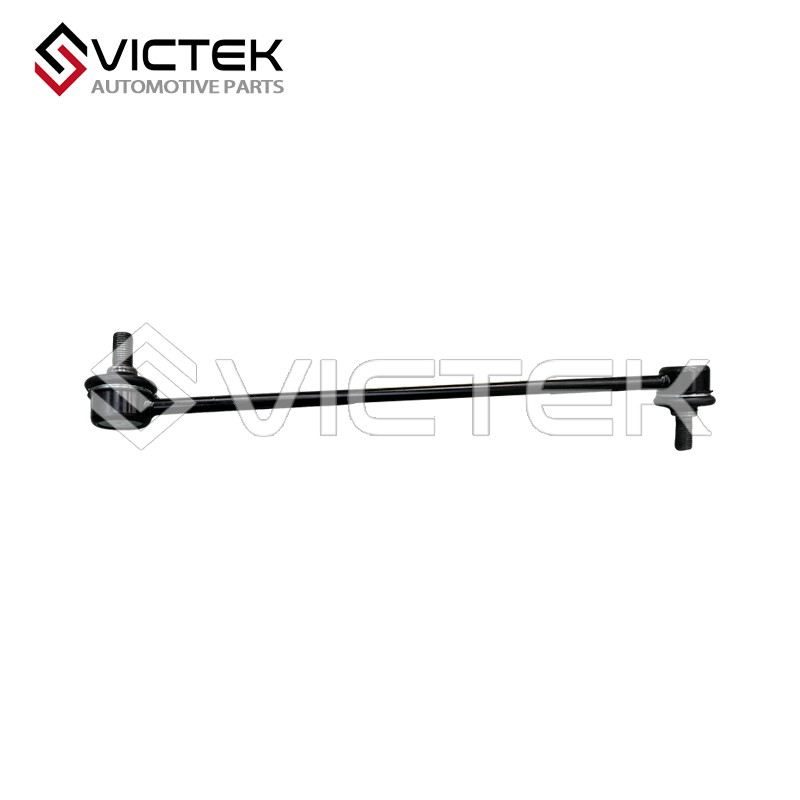
2. Premium Material Selection & Precision Manufacturing Process
The SA00-34-170M1 Connecting Rod is crafted from high-performance, automotive-grade materials, carefully selected to meet the strict requirements of an engine component that operates in extreme conditions—prioritizing exceptional tensile strength, fatigue resistance, impact resistance, and heat resistance. The material selection is optimized to balance structural rigidity, weight, and thermal conductivity, ensuring the connecting rod can withstand the high mechanical loads and thermal stress associated with engine operation, while minimizing weight to reduce inertial forces and improve fuel efficiency.
The main body of the SA00-34-170M1 Connecting Rod is constructed from high-strength forged alloy steel (40CrMoA grade), a material widely used in high-performance automotive connecting rods for its excellent mechanical properties. 40CrMoA alloy steel is chosen for its superior tensile strength (≥1,080 MPa), yield strength (≥930 MPa), and fatigue strength, making it capable of withstanding the repeated cyclic loads and high-pressure impacts generated during engine operation. The alloy steel contains chromium, molybdenum, and carbon, which enhance its hardenability, toughness, and heat resistance—critical for withstanding the high temperatures and stress within the engine. Additionally, the connecting rod undergoes a rigorous heat treatment process (quenching and tempering) to further enhance its mechanical properties, ensuring it can withstand long-term use without deformation, cracking, or fatigue failure.
Key components integrated into the SA00-34-170M1 Connecting Rod also use premium materials to ensure optimal performance. The piston pin bushing (installed in the small end of the connecting rod) is made of high-quality bronze alloy (CuSn10Pb1), which offers excellent wear resistance, low friction, and good thermal conductivity. The bronze bushing is precision-machined to ensure a tight fit with the piston pin, reducing friction and wear during reciprocating motion. The big end bearing (installed in the large end of the connecting rod) is made of a multi-layer bearing material, typically consisting of a steel backing, a copper-lead alloy intermediate layer, and a thin overlay of tin-lead or aluminum-tin alloy—this multi-layer design provides superior wear resistance, load-bearing capacity, and compatibility with the crankshaft journal.
The manufacturing process of the SA00-34-170M1 Connecting Rod follows a strict, ISO 9001 and IATF 16949 certified production workflow, combining precision forging, heat treatment, precision machining, and rigorous quality control—consistent with modern automotive engine component manufacturing standards. The production process begins with the preparation of raw materials: the 40CrMoA alloy steel billets are heated to a temperature of 1,100-1,200°C (above the recrystallization temperature) to make them malleable. The heated billets are then forged using a precision closed-die forging process, which applies high pressure (up to 10,000 tons) to shape the billet into the connecting rod’s rough form. Closed-die forging ensures that the material’s grain structure is aligned along the direction of the connecting rod’s main stress, significantly enhancing its fatigue strength and structural integrity.
After forging, the connecting rod undergoes a heat treatment process to optimize its mechanical properties. First, it is quenched in oil at a temperature of 850-880°C to harden the steel, then tempered at 500-550°C to reduce brittleness and improve toughness. This quenching and tempering process ensures the connecting rod has a uniform hardness (HRC 28-32) and excellent fatigue resistance. After heat treatment, the connecting rod undergoes a series of precision machining operations to achieve the exact dimensional accuracy required for engine fitment. The small end and big end bores are precision-machined using honing technology, which ensures a smooth surface finish (Ra ≤ 0.2 μm) and tight dimensional tolerance (±0.005 mm). The connecting rod’s length, center-to-center distance (between the small end and big end bores), and parallelism are also precisely calibrated to match Haima’s original specifications.
The final step involves the assembly of the piston pin bushing and big end bearing, which are press-fitted into the connecting rod using precision tools to ensure a tight, secure fit. Before packaging and delivery, each SA00-34-170M1 Connecting Rod undergoes a series of rigorous quality inspections, including dimensional accuracy testing, structural strength testing, fatigue testing, hardness testing, and surface finish testing. Dimensional accuracy testing verifies that all critical dimensions (length, bore diameter, center-to-center distance) match Haima’s original specifications. Fatigue testing involves subjecting the connecting rod to repeated cyclic loads (up to 10^7 cycles) to ensure it can withstand long-term engine operation without failure. Hardness testing verifies the uniformity of the heat treatment, while surface finish testing ensures the bores are smooth enough to minimize friction. Only units that pass all inspections are packaged and delivered, guaranteeing that each SA00-34-170M1 meets Haima’s strict quality standards and provides reliable performance. Additionally, the connecting rod comes with a 12-month quality guarantee, reflecting the manufacturer’s confidence in its durability and performance.
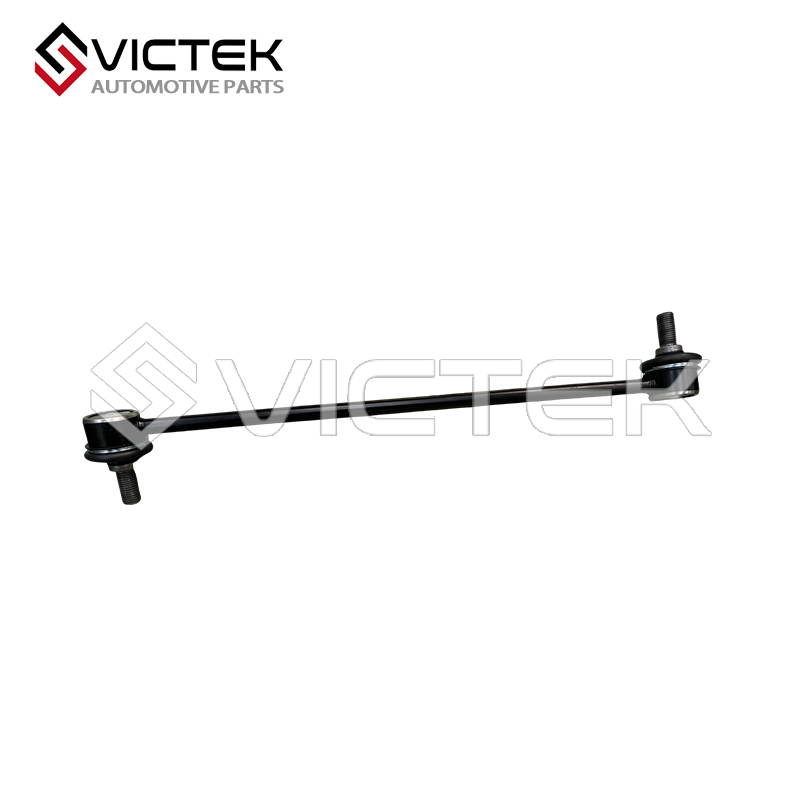
3. Structural Design & Key Integrated Components
The SA00-34-170M1 Connecting Rod features a sophisticated, ergonomic structural design, meticulously engineered to match the Haima S7’s engine specifications, ensuring seamless integration, secure attachment, and optimal performance. Its design is optimized to balance structural strength, weight, and aerodynamics, while adhering to Haima’s original engineering standards and international safety regulations. The overall structure of the connecting rod consists of four key integrated components: the rod body, the small end (piston pin end), the big end (crankshaft end), and the connecting rod cap—all working together to ensure maximum performance, durability, and compatibility with the S7’s engine.
The rod body of the SA00-34-170M1 Connecting Rod features an I-beam cross-sectional design, which is widely used in automotive connecting rods for its optimal balance of strength and weight. The I-beam design distributes mechanical loads evenly across the rod body, reducing stress concentrations and preventing premature failure. The rod body is tapered slightly from the big end to the small end, which helps to reduce weight while maintaining structural strength—this tapering also improves the aerodynamics of the connecting rod, reducing windage losses within the engine (the resistance caused by the connecting rod moving through the engine oil and air). The rod body’s surface is precision-machined to a smooth finish, reducing friction and improving heat dissipation.
The small end (piston pin end) of the connecting rod is a cylindrical bore, precision-machined and honed to fit the piston pin bushing. The small end is designed to be lightweight yet strong, with a reinforced wall thickness to withstand the radial loads transmitted from the piston. The piston pin bushing (made of bronze alloy) is press-fitted into the small end bore, providing a low-friction surface for the piston pin to rotate and move within. The small end bore also features a small oil hole, which allows engine oil to flow into the bushing, lubricating the piston pin and reducing wear. The piston pin is inserted through the small end bore and the piston’s pin holes, connecting the connecting rod to the piston—this connection allows the piston to move freely relative to the connecting rod during reciprocating motion.
The big end (crankshaft end) of the connecting rod is a larger cylindrical bore, designed to fit around the crankshaft journal. The big end is split into two parts: the main big end (integrated with the rod body) and the connecting rod cap, which is fastened to the main big end using high-strength OEM bolts. The split design allows the connecting rod to be installed around the crankshaft journal during engine assembly. The big end bore is precision-machined and honed to fit the big end bearing, which is a multi-layer bearing that provides a low-friction, wear-resistant surface for the crankshaft journal. The big end also features oil grooves and holes, which distribute engine oil to the bearing, ensuring proper lubrication and heat dissipation. The connecting rod cap is made of the same 40CrMoA alloy steel as the rod body, ensuring it has the same mechanical properties and can withstand the same high loads.
Another key design feature of the SA00-34-170M1 Connecting Rod is the use of high-strength connecting rod bolts, which are critical for securing the connecting rod cap to the main big end. The bolts are made of high-strength alloy steel (10.9 grade), which offers exceptional tensile strength and fatigue resistance. The bolts are precision-threaded and torque-tightened to Haima’s recommended specifications (typically 45-55 N·m) to ensure a secure fit that prevents loosening during engine operation. Additionally, the connecting rod’s design is optimized to maintain the correct piston position and crankshaft alignment, ensuring that the piston moves smoothly within the cylinder and that the crankshaft rotates evenly. The center-to-center distance of the connecting rod is precisely calibrated to match the Haima S7’s engine stroke, ensuring optimal engine performance and fuel efficiency.
Contact us

Leave your messages