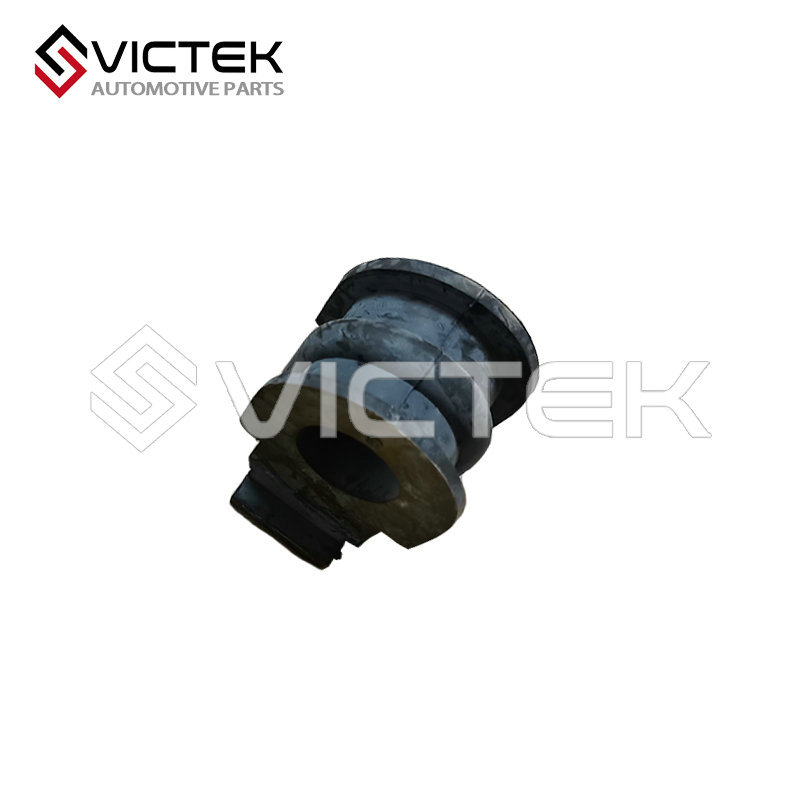
SA12-34-156
Brand: Haima
Model: S7
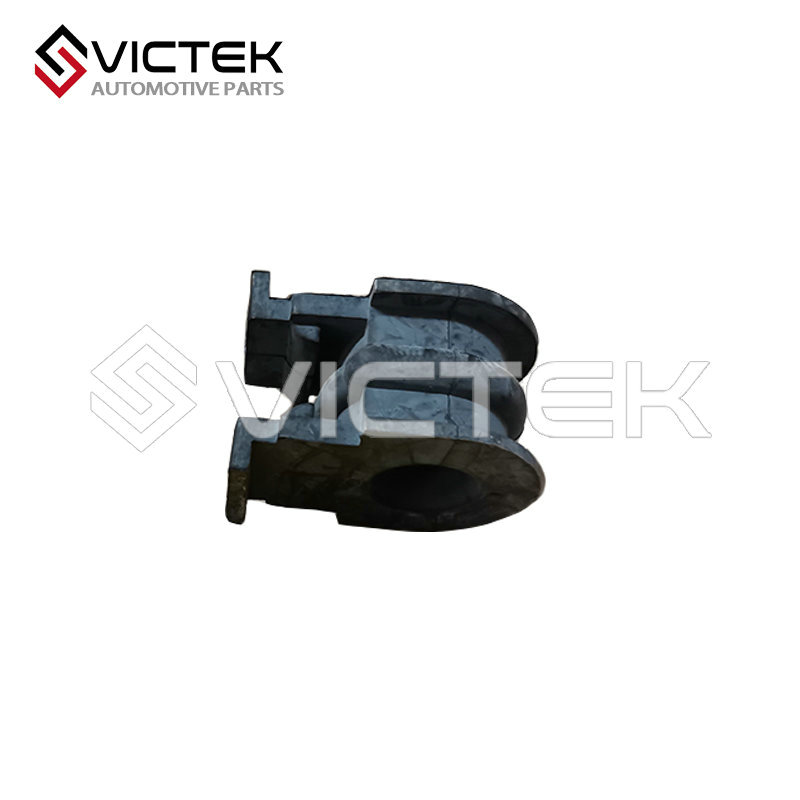
Product Name:Front Stable Link Bush
Part Number: SA12-34-156
Absorb vibrations: Soaks up shocks from potholes, speed bumps, and rough roads—stops harsh jolts from reaching the car’s interior (keeps rides smooth for you and passengers).
Stabilize the chassis: Holds the front stabilizer bar in place while letting it move slightly (ensures the bar works properly to reduce body roll when turning—keeps the S7 stable and easy to control).
Mute noise and wear: Prevents metal-to-metal contact between the stabilizer bar and suspension arms (reduces rattling/creaking sounds and stops premature wear on both parts).
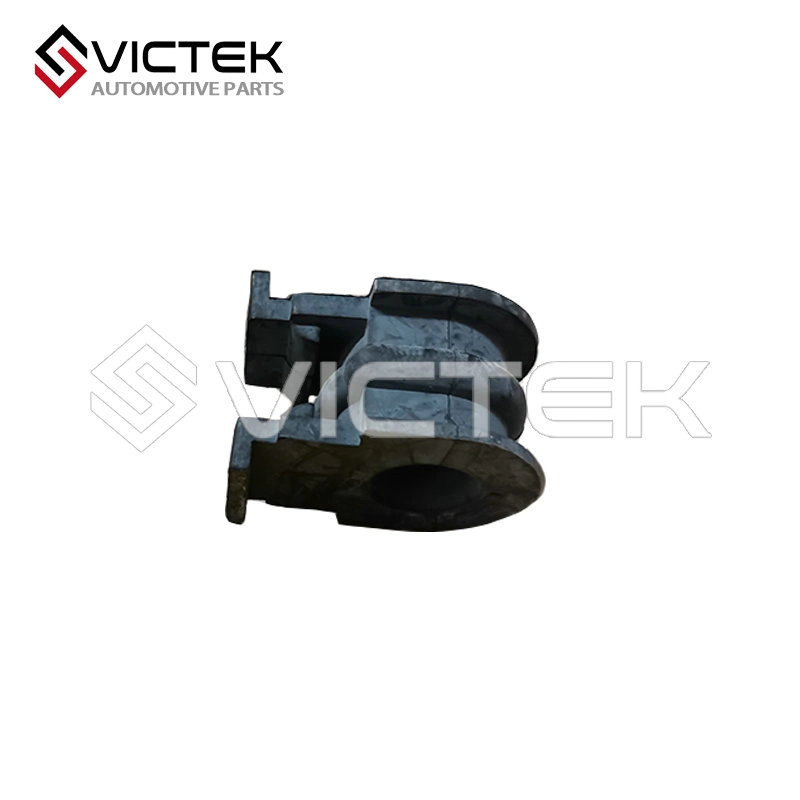
Fits These: All Haima S7 variants (matches front stabilizer bar diameter, suspension bracket size, and link bolt specs—confirm with VIN).
Won’t Fit These:
Other Haima models: Like S5, M6, or F7—different suspension designs, stabilizer bar sizes, or bracket shapes (bush won’t fit or work with the suspension).
Non-Haima vehicles: Even if the size looks similar, their suspension layouts and stabilizer link positions differ (no functional fit—causes rattles or instability).
Haima S7 rear suspension: This is a front bush—rear stable link bushes have different shapes and mounting points (don’t mix them up).
Prep: Park the Haima S7 on a flat surface, use jack stands to lift the front end (don’t rely on just a jack), and remove the front wheel (gives access to the suspension).
Remove old bush: Locate the front stabilizer link (connected to the suspension arm and stabilizer bar). Use a socket wrench to remove the bolt passing through the old bush’s metal sleeve. Pry the old bush out of the suspension bracket (use a pry bar gently—don’t damage the bracket).
Install new bush: Apply a small amount of rubber lubricant (if recommended) to the new SA12-34-156 bush (helps it slide into the bracket). Press the bush into the suspension bracket until it sits flush. Reinsert the stabilizer link bolt through the bush’s metal sleeve and tighten it to Haima’s torque specs (over-tightening crushes the bush).
Test: Reinstall the front wheel, lower the car, and take a short drive—check for rattles, excessive vibration, or loose steering (if the ride feels smooth and stable, the bush is installed correctly).
Inspect every 6 months: Look for cracks, splits, or hardening in the bush (rubber that’s rock-hard or split means it’s time to replace). Check if the bush is loose in the bracket (slop = worn out).
Listen for noises: If you hear creaking, clunking, or rattling from the front end when going over bumps or turning—bad bush is a likely cause (replace it fast to avoid suspension damage).
Clean regularly: Wipe the bush with a damp cloth to remove road dirt and salt (prevents premature wear from debris buildup).
Avoid harsh chemicals: Don’t use oil-based cleaners on the bush—they can break down the rubber/polyurethane (stick to mild soap and water).
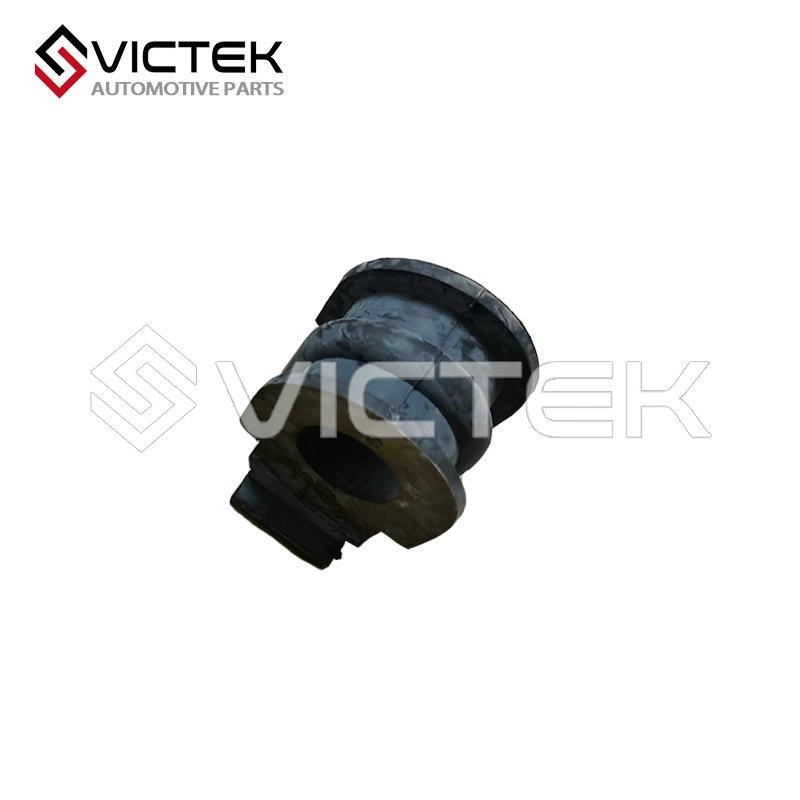
Fits: All Haima S7 variants (matches front stabilizer bar diameter, suspension bracket size, and link bolt specs; confirm via VIN).
Won’t Fit: Other Haima models (e.g., S5, M6, F7) with different suspension designs, non-Haima vehicles (mismatched suspension layouts), or Haima S7’s rear suspension (front-specific shape/mounts).
Vibration absorption: Soaks up shocks from bumps/potholes, preventing harsh jolts from reaching the interior for a smooth ride.
Chassis stabilization: Secures the stabilizer bar while allowing slight movement, reducing body roll during turns and improving handling precision.
Noise & wear prevention: Eliminates metal-on-metal contact between the stabilizer bar and suspension arms, cutting rattles/creaks and avoiding premature part wear.
Prep: Park on a flat surface, lift the front end with jack stands, and remove the front wheel.
Remove old bush: Unbolt the stabilizer link (socket wrench), pry the old bush out of the suspension bracket (avoid bracket damage).
Install new bush: Apply rubber lubricant (if recommended), press the bush into the bracket, reinsert the link bolt, and tighten to Haima’s torque specs (over-tightening crushes the bush).
Test: Reinstall the wheel, lower the car, and drive to check for rattles, vibration, or loose steering (smooth/stable ride = successful install).
Contact us