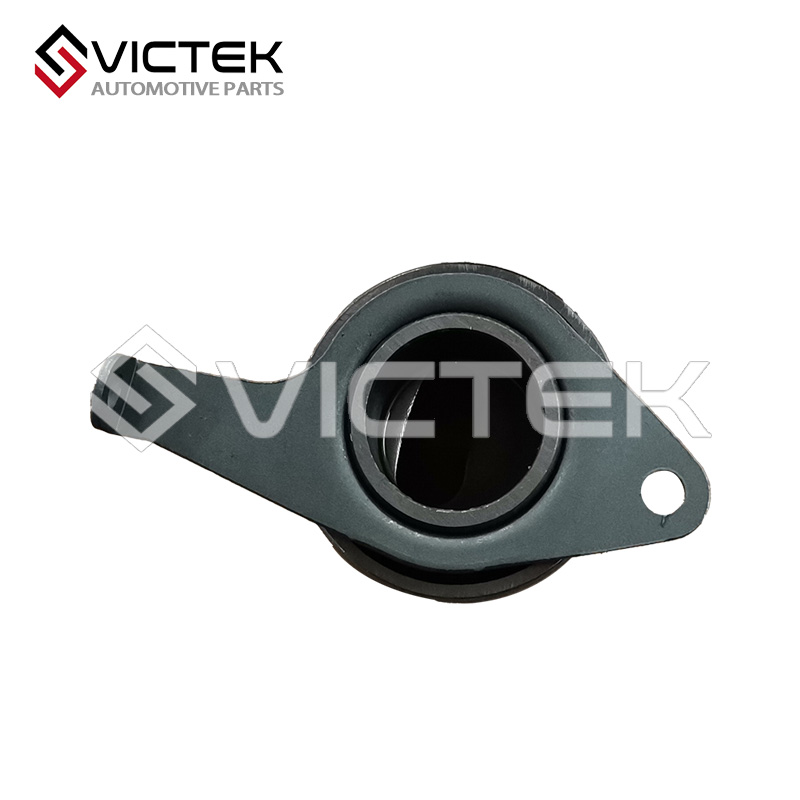
372-1007030
Brand: Chery
Model: QQ
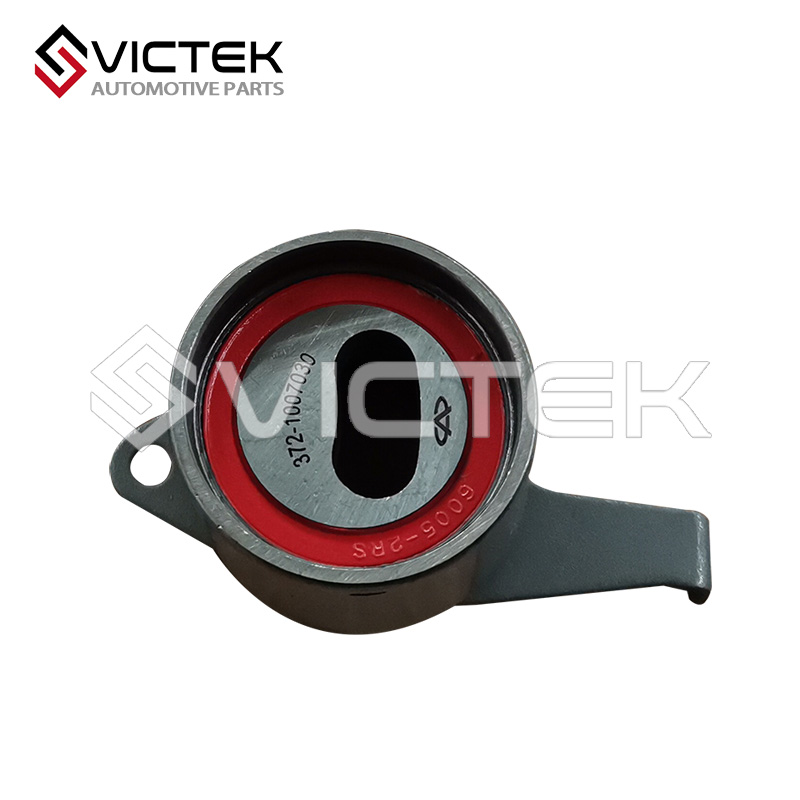
Product Name:Tension Pulley
Part Number: 372-1007030
Product Details
Chery QQ Tension Pulley (Part No.: 372-1007030)
Let me keep it simple—this thing is your Chery QQ’s “engine belt tension keeper.” It’s not just a basic pulley, you know? It’s a critical engine component that maintains the right tightness for the car’s drive belt (or timing belt, depending on the QQ’s setup), keeps the belt from slipping or getting too loose, and protects key engine parts like the generator, water pump, and alternator. It’s a durable, precision-built part designed to fit the Chery QQ’s 372-series engine perfectly—balancing smooth operation, wear resistance, and long-term reliability.
At its core, it has three key bits: a smooth pulley wheel (usually made of high-strength plastic or metal, with a grooved surface to grip the belt), a built-in sealed bearing (reduces friction so the pulley spins freely), and a spring-loaded mechanism (automatically adjusts tension as the belt wears over time). Mounted on the Chery QQ’s engine block, it sits against the drive/timing belt—acting like a “tension regulator”: when the engine runs, the belt stretches a little from heat and use, and the pulley’s spring pushes back gently to keep it tight. No slipping, no squealing, just consistent power transfer to the belt-driven parts.
Imagine without this tension pulley. The QQ’s belt would slip constantly (causing squeaky noises, especially when accelerating), the generator might not charge the battery properly, the water pump could stop circulating coolant (leading to engine overheating), and in worst cases, a loose timing belt could skip teeth—ruining the engine’s valve timing. Chery tailored its size, pulley groove shape, and spring tension to the QQ’s 372 engine and belt specs—so it fits like a glove. A generic pulley? It’d either have the wrong tension (too tight, wearing out the belt fast; too loose, causing slips) or mismatched grooves (not gripping the belt right), leading to costly engine issues.
1. Core Jobs: Keep Belt Tight, Reduce Friction, Protect Engine Parts
This little pulley has three non-negotiable jobs for your Chery QQ—let’s break ’em down:
Maintain belt tension: The spring-loaded design automatically adjusts as the belt stretches over time—prevents slipping and ensures consistent power transfer to the generator, water pump, and other belt-driven components.
Minimize friction: The sealed bearing inside lets the pulley spin smoothly against the belt—cuts wear on both the pulley and the belt, extending their lifespan (saves you from frequent replacements).
Prevent engine damage: By keeping the belt tight and on track, it stops issues like overheating (from water pump failure) or dead batteries (from generator issues)—avoiding major engine repairs.
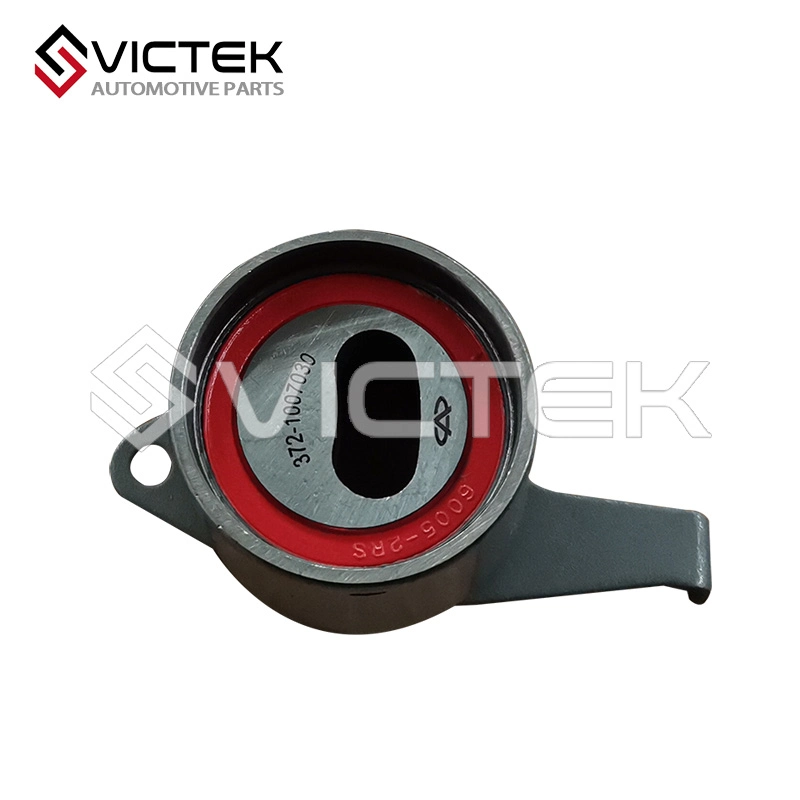
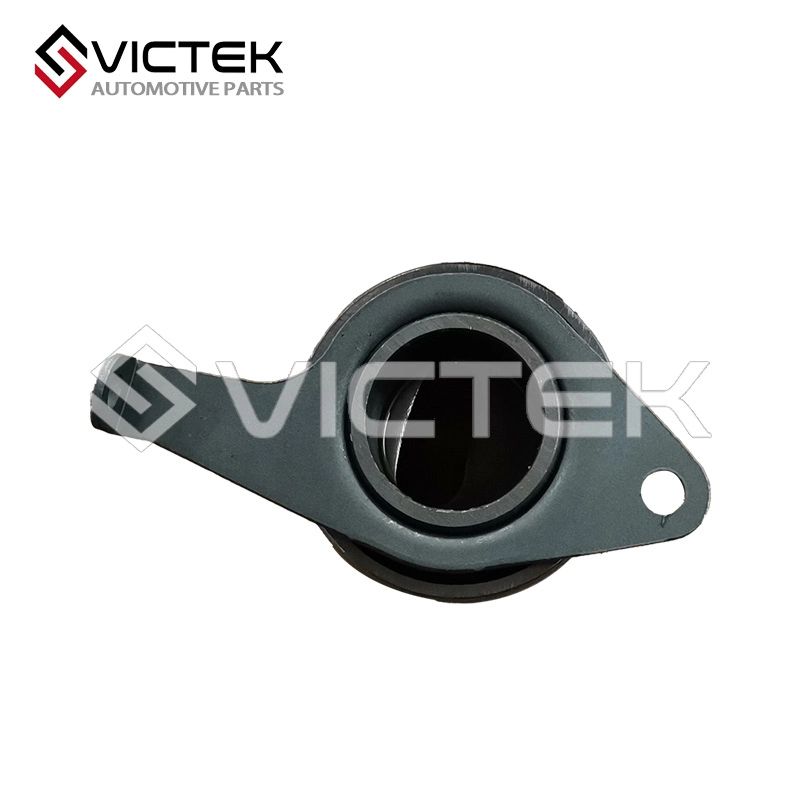
Brief Summary: Chery QQ Tension Pulley (Part No.: 372-1007030)
A critical component for Chery QQ models with 372-series engines, this tension pulley acts as an "engine belt guardian"—maintaining proper tightness for the drive/timing belt, preventing slipping or squealing, and protecting key parts like the generator and water pump. It’s precision-built for a perfect fit, balancing durability and smooth operation.
Key features: a grooved, heat-resistant (up to 120°C) pulley wheel (grips the belt), sealed bearing (reduces friction, low maintenance), and spring-loaded mechanism (auto-adjusts tension as the belt wears).
It fits only Chery QQ with 372 engines—won’t work for QQ with other engines (e.g., 472-series), other Chery models (e.g., Tiggo), or non-Chery vehicles.
Installation (1–1.5 hours, pro-recommended) needs belt tension tools. Maintain by checking for abnormal noises (worn bearings), pulley cracks, and inspecting the belt; avoid engine overheating. Original parts avoid aftermarket issues (poor tension control, weak bearings, misfit) to keep the engine running reliably.
Contact us
Leave your messages