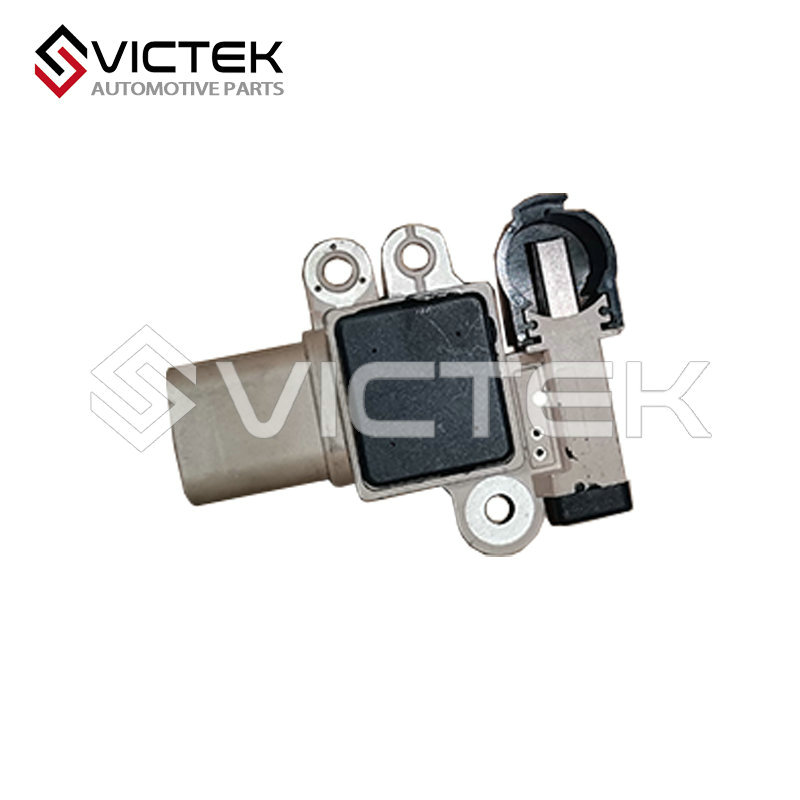
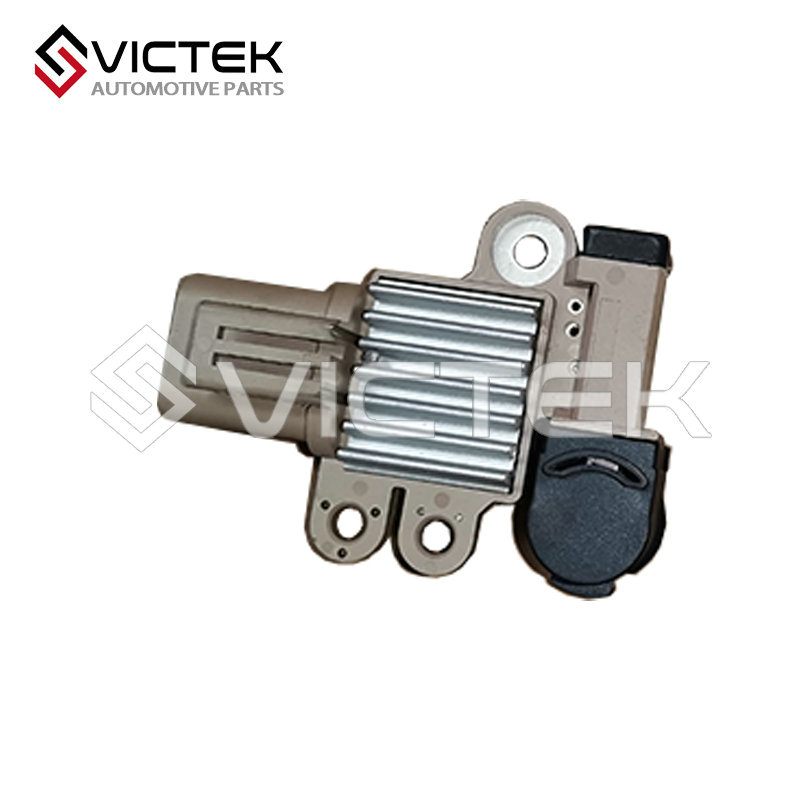
3100829-1
Control voltage: Keeps the alternator’s output in a safe range (13.5–14.5V). That way, the battery charges all the way without getting too hot, and you don’t end up with a dead battery from not enough charge.
Protect the battery: Stops the battery from being overcharged (which breaks its inner parts) or undercharged (which makes it die faster). On average, this adds 2–3 years to the battery’s life.
Keep electronics steady: Maintains a consistent voltage for all the H330’s electrical gear. No more flickering lights, glitching infotainment, or the ECU getting wonky power (which makes the engine run poorly).
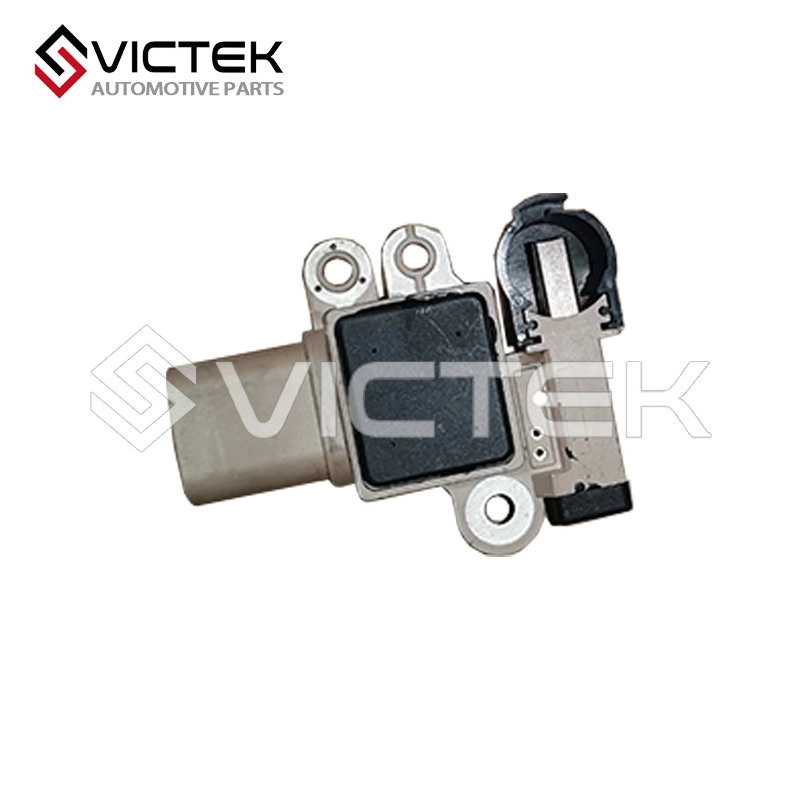
Fits: All Brilliance H330 variants (matches the H330’s factory alternator model, connector type, and voltage range; confirm via VIN—note differences between petrol/diesel engine versions if applicable).
Won’t Fit:
Other Brilliance models: Like H230, V5, or H530—different alternator designs, voltage requirements, or connector pins (adjuster won’t communicate with the alternator).
Non-Brilliance vehicles: Even if the shape looks similar, their electrical system voltages (e.g., 24V for trucks vs. 12V for the H330) or alternator protocols differ (no functional fit—battery won’t charge).
Aftermarket Alternators for H330: Only works with the H330’s original alternator—aftermarket alternators may have different wiring that’s incompatible with the 3100829-1.
Prep: Disconnect the H330’s battery (negative terminal first) to avoid electrical shocks. Locate the alternator (usually near the engine’s front) and identify the adjuster (either mounted on the alternator or connected via a 2–3 pin harness).
Remove Old Adjuster: Unplug the wiring harness from the old adjuster. If it’s bolted to the alternator, use a socket wrench to remove the mounting bolts and pull it off.
Install New Adjuster: Align the 3100829-1 with the alternator’s mounting points. Bolt it tight (follow Brilliance’s torque specs) and reconnect the wiring harness—ensure pins are fully inserted (no loose connections).
Test: Reconnect the battery, start the engine, and use a multimeter to check voltage (should read 13.5–14.5V at idle). If voltage is too high/low, adjust the alternator’s belt tension (or consult a tech for further calibration).
Monthly Voltage Checks: Use a multimeter to test the battery’s voltage when the engine is running—if it’s below 13V (undercharging) or above 15V (overcharging), the adjuster may be faulty.
Battery Health Monitoring: If the battery dies frequently (even with a new battery), the adjuster is likely not charging it properly—replace the adjuster before it damages another battery.
Avoid Water Damage: Keep the engine bay clean and dry—water splashing on the adjuster can short its circuits (common in heavy rain or deep puddles).
Engine Bay Heat Care: Don’t block the adjuster’s cooling vents (if equipped)—overheating from blocked vents is a top cause of adjuster failure.
Contact us