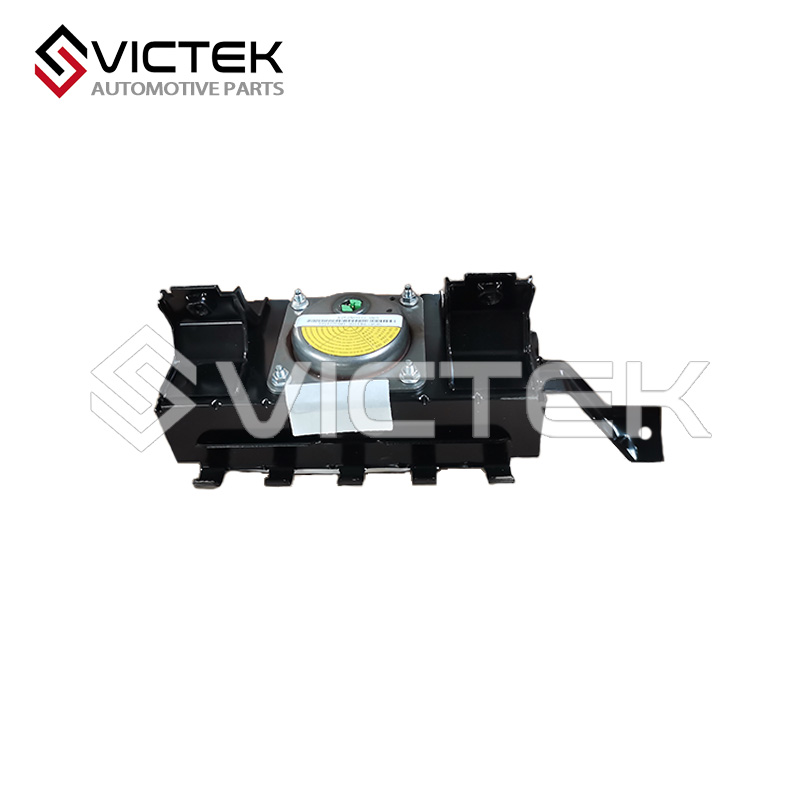
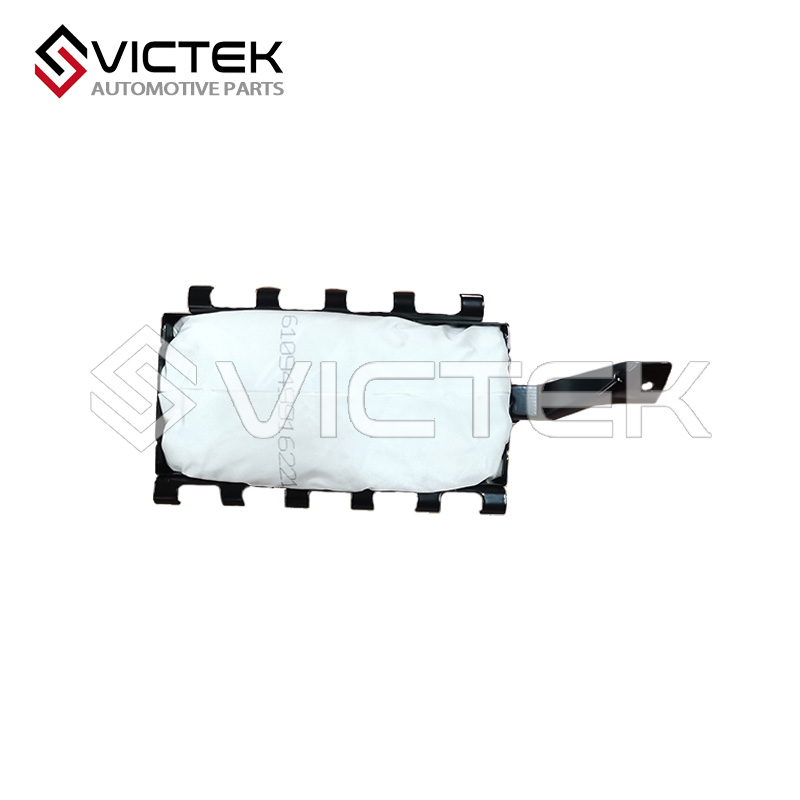
4291024
Rapid Impact Cushioning: Inflates in 0.02–0.05 seconds (faster than the blink of an eye) when the crash sensor detects a severe impact (usually front collisions over 10 mph or hard side hits). It creates a soft barrier between the occupant and hard interior.
Injury Risk Reduction: Spreads the collision force across a larger area of the occupant’s upper body (instead of concentrating it on small points like the forehead or chest), lowering the chance of traumatic damage.
System Synergy: Works with the H230’s seatbelts and crash sensors. The seatbelts keep the occupant from moving too far forward, so the airbag hits them at the right angle; the sensors ensure the airbag only deploys when the crash is severe enough to need it (avoids unnecessary deployment).
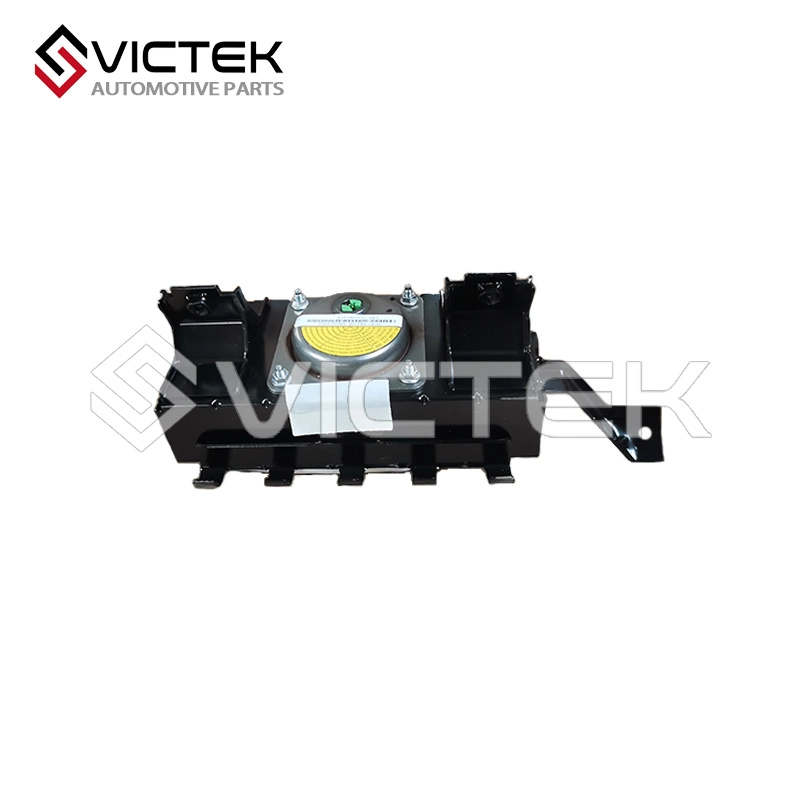
Fits: All Brilliance H230 variants (matches the cabin size, sensor system, and mounting points; confirm via your vehicle’s VIN to be sure).
Won’t Fit:
Other Brilliance models (e.g., H330, V5): Different cabin dimensions, airbag positions, or sensor protocols—deployment will be off, or it won’t fit the interior.
Non-Brilliance vehicles: Even if it looks similar, their crash sensor signals and inflation pressure needs don’t match—may not deploy at all, or deploy too hard.
Brilliance H230’s left side: Left and right airbags are mirror images (different mounting angles and inflation shapes)—using this on the left would point it away from the occupant.
H230 with modified interiors: Aftermarket dashboards or door panels may block the airbag’s deployment path—rendering it useless.
Prep: Disconnect the H230’s battery and wait 10–15 minutes (drains residual power to prevent accidental deployment). Remove the dashboard or door panel to access the old airbag compartment.
Remove Old Airbag: Unplug the wiring harness (use insulated tools to avoid short circuits). Remove the mounting bolts holding the old airbag in place—handle it carefully (even deployed airbags have sharp edges).
Install New Airbag: Align the 4291024 with the mounting bracket, tighten bolts to Brilliance’s exact torque specs (over-tightening breaks the bracket), and reconnect the wiring until it clicks.
Test: Reconnect the battery and use a diagnostic tool to reset the H230’s safety ECU (clears old fault codes). Check that the dashboard airbag warning light turns off—this means the system recognizes the new airbag as “ready.”
Never reuse or repair: A deployed airbag is a one-time-use device—replace it immediately after a crash (even if it looks undamaged).
Check the warning light monthly: If the airbag light stays on after startup, take the H230 to a technician ASAP (it means the system has a fault—airbag may not deploy).
Avoid hitting the mounting area: Don’t kick or bang the right dashboard/door (can damage the airbag’s sensor or wiring).

Contact us