1001030-B06
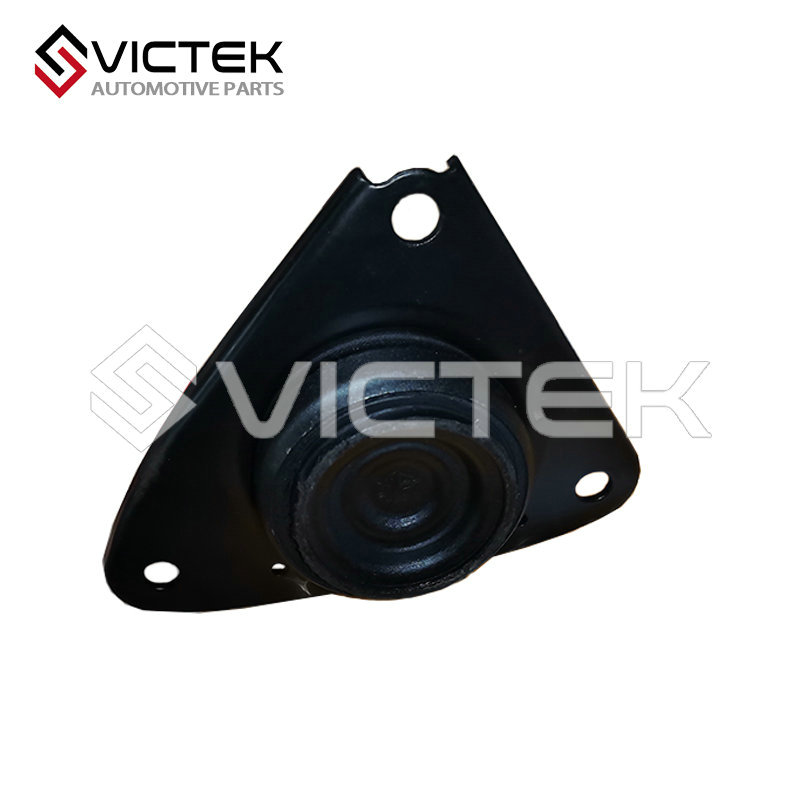
Dampen vibrations: Soaks up the engine’s shakes (from burning fuel and moving parts). This stops the engine from shaking the car frame, which protects delicate stuff like sensors and wiring.
Cut noise: Blocks vibration-related noise from getting into the cabin. Turns loud, harsh engine hums into quiet, smooth running—super important for comfort on long drives.
Hold engine secure: Keeps the engine firmly in its bay. Prevents it from moving too much when you stop suddenly, speed up, or drive on bumpy roads—avoiding damage to connected parts like hoses, belts, and the exhaust.

Fits: All Changan Eado variants (matches the engine block’s mounting holes, frame attachment points, and engine weight; confirm via VIN—note differences between petrol and hybrid engine versions if applicable).
Won’t Fit:
Other Changan models: Like CS75, UNI-T, or Alsvin—different engine sizes, mounting layouts, or weight capacities (cushion won’t attach or support the engine).
Non-Changan vehicles: Even if the shape looks similar, their engine bay dimensions and mounting standards differ (no functional fit—causes engine sag or vibration).
Changan Eado’s left engine cushion: Left and right cushions have different mounting angles and rubber hardness (to handle uneven engine vibration)—this part is for the right only (left needs a different part number).
Prep: Lift the Changan Eado safely with a jack and secure it on stands. Disconnect any hoses or wires near the right engine mount (to avoid damage). Use an engine hoist to lift the engine gently (1–2 inches) to relieve pressure on the old cushion.
Remove Old Cushion: Unbolt the metal mounting plates from the engine and frame. Pull the old cushion out—check for rubber damage or metal rust (replace nearby parts if needed).
Install New Cushion: Place the 1001030-B06 into position. Bolt the top plate to the engine and the bottom plate to the frame (follow Changan’s torque specs—too tight can damage the rubber). Lower the engine carefully.
Test: Reconnect hoses/wires, start the engine, and listen for vibrations. Take a short drive—check for reduced noise and no engine shifting (no clunking sounds).
Monthly Visual Checks: Look for rubber cracks, bulging, or separation from metal plates—these are signs of wear (replace immediately to avoid engine damage).
Listen for Noises: A loud “clunk” when accelerating or stopping means the cushion is worn (engine shifts excessively)—don’t delay replacement.
Avoid Overloading: Don’t carry heavy cargo that puts extra stress on the engine bay—excess weight speeds up rubber wear.
Engine Care: Fix engine misfires promptly (uneven vibrations damage the cushion faster)—regular tune-ups extend cushion life.


Contact us